
Author: Sabrina Vaishnavi
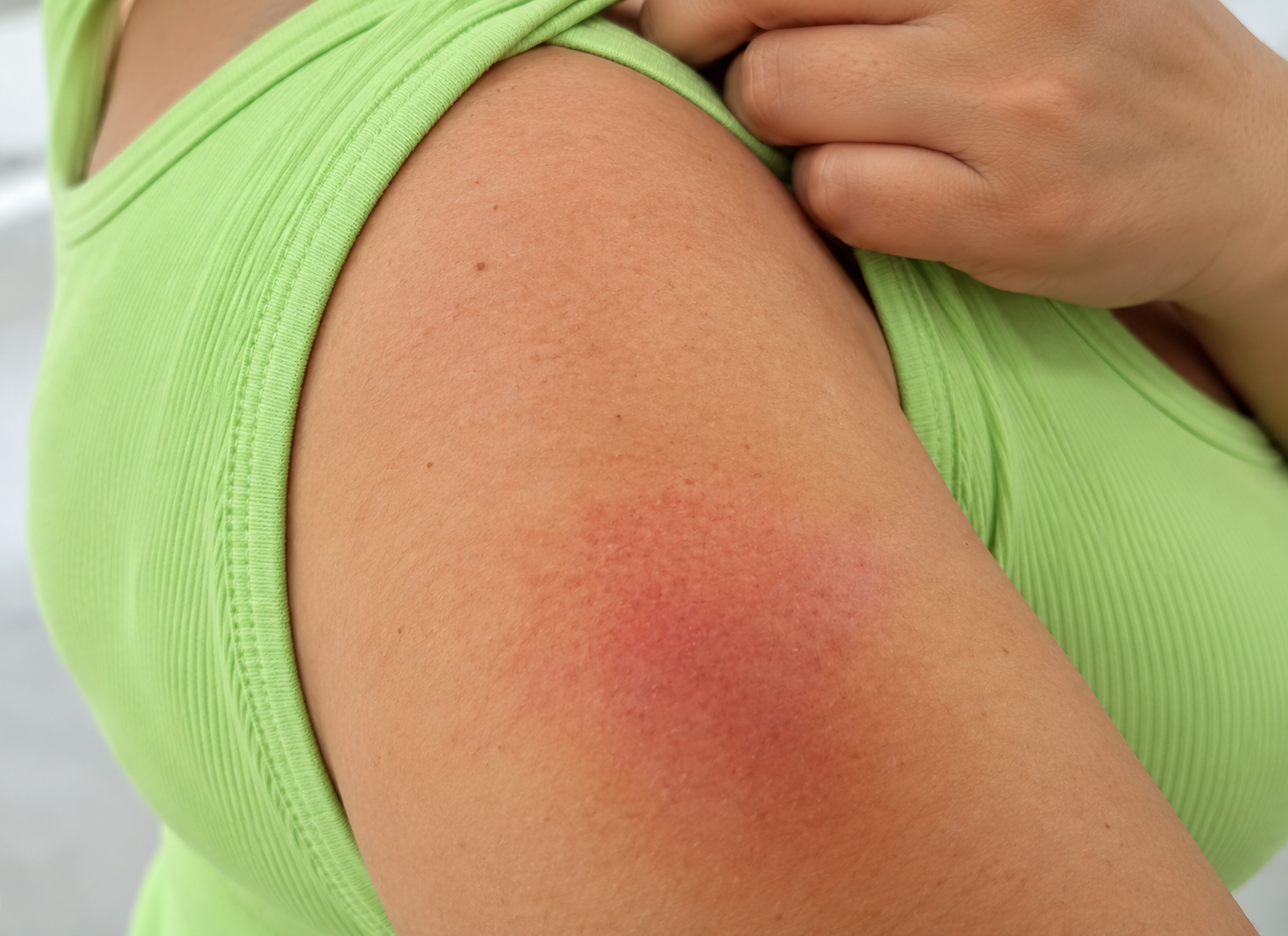
If you live with lymphedema or are at risk for it, one complication deserves your attention more than almost any other: infection. Cellulitis and lymphedema feed each other. Swollen tissue is more vulnerable to infection, and each infection can further damage the lymphatic system and worsen swelling.
The good news is that much of this risk is manageable. Knowing the warning signs, protecting your skin, and keeping swelling under control all lower the odds of an infection, and help you catch one early if it happens.
This post covers what cellulitis is, how to recognize it, how to reduce your risk, and what to do about your lymphedema treatment if you get it. At Thera Physical and Occupational Therapy in Midtown Manhattan, infection prevention is part of every lymphedema plan we build.
What Cellulitis Is
Cellulitis is a bacterial infection of the skin and the tissue just beneath it. Bacteria usually enter through a break in the skin, such as a cut, scratch, insect bite, cracked dry skin, a hangnail, or fungal infection between the toes.
The American Academy of Dermatology notes that of all the medical conditions that increase the risk of getting cellulitis again, lymphedema ranks highest. Fluid that sits in the tissues gives bacteria an environment where they can multiply more easily.
Why Cellulitis Matters So Much With Lymphedema
The relationship runs in both directions. A prospective study in the Journal of Clinical Oncology found that cellulitis in the at-risk arm was associated with a higher risk of developing lymphedema after breast cancer treatment. Once someone has had cellulitis, the risk of another episode also rises. Breaking this cycle early is one of the most important goals of lymphedema management.
Warning Signs to Know
- New or spreading redness or discoloration, which can be harder to see on darker skin
- Warmth in the affected area
- A sudden increase in swelling
- Pain, tenderness, or a tight, heavy feeling that is new or worse
- Fever, chills, fatigue, or flu-like feelings, which sometimes appear before skin changes
- Red streaks spreading from the area
When to Get Help
Contact your physician the same day if you notice these signs. Cellulitis needs medical evaluation and is usually treated with antibiotics. Go to an emergency room or call 911 for a high fever, rapidly spreading redness, confusion, dizziness, or feeling very unwell. People with recurrent cellulitis should ask their physician whether a standing plan or prescription makes sense for them.
What Happens to Lymphedema Treatment During an Infection
Manual lymphatic drainage (MLD), a gentle technique that moves lymph fluid toward working lymph nodes, is generally paused during an active infection. Most lymphedema therapists resume MLD once antibiotics are underway, symptoms are improving, and the patient's physician confirms it is safe.
Compression may also need adjusting. If garments or bandages are painful over inflamed skin, tell your physician and therapist rather than simply stopping. Once the infection clears, swelling is often worse than before, and a short course of intensive complete decongestive therapy may help regain control.
How to Lower Your Risk
Protect Your Skin
- Moisturize daily to prevent dry, cracked skin
- Clean cuts, scrapes, and bites promptly and watch them
- Wear gloves for gardening, dishes, and cleaning
- Use insect repellent and sunscreen
- Care for nails carefully, and do not cut cuticles
- Treat athlete's foot and skin fungus, which reviews identify as a major risk factor for recurrent cellulitis
Keep Swelling Under Control
Compression is one of the best-studied ways to prevent repeat infections. A randomized trial in the New England Journal of Medicine of 84 people with chronic leg swelling and recurrent cellulitis found that 15 percent of those who wore compression had another episode, compared with 40 percent of those who did not. A systematic review of cellulitis guidelines likewise highlights managing edema and skin integrity to prevent recurrence.
Know Your Medical Options
For people with frequent recurrences, physicians sometimes prescribe preventive antibiotics. That decision belongs to your physician.
Lymphedema Care at Thera in Midtown Manhattan
At Thera, our physical and occupational therapists combine lymphatic care, compression fitting, and skin care education to help patients reduce infection risk and recover after an episode. Our team includes Certified Lymphedema Therapists (CLT) and Certified Cosmetic Surgery Therapists (CCST). Learn more about professional compression fitting.
Every session is one-on-one. Our Midtown Manhattan clinic at 115 West 30th Street sits steps from Penn Station, accessible from across New York City and the Tri-State Area.
Cellulitis and lymphedema form a cycle: swelling raises infection risk, and infection worsens swelling. Know the warning signs, seek medical care the same day, and pause lymphatic drainage until your physician clears you. Then protect your skin and keep swelling controlled with consistent compression, the most effective ways to break the cycle.
If you have lymphedema or have had cellulitis and want a plan to reduce your risk and regain control of swelling, contact our team today to schedule an evaluation at our Midtown Manhattan clinic.
No referral needed · NY State allows direct access to PT and OT for up to 10 visits or one month without a physician's script.