
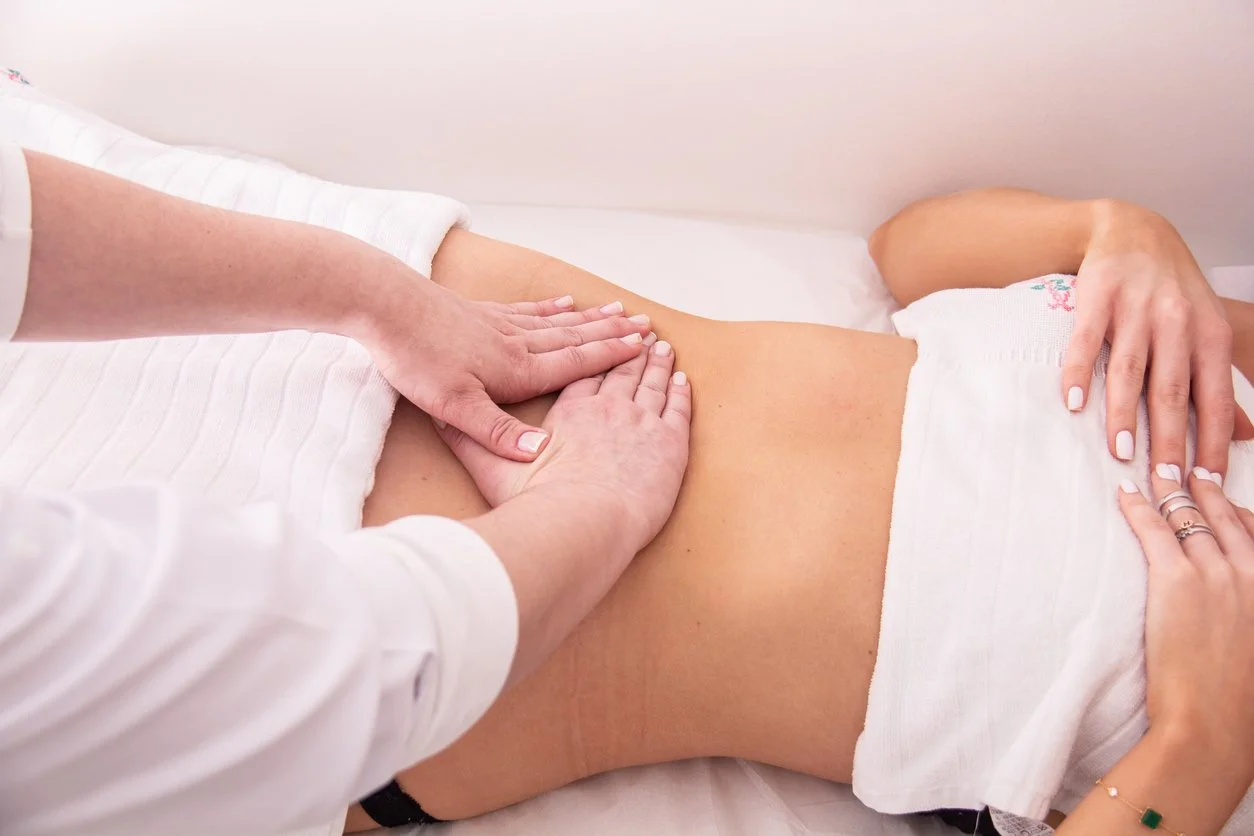
Of all the tools available for lymphatic health, the one that requires no equipment, no prescription, no appointment, and costs nothing is also the one most consistently overlooked: your breath. Specifically, diaphragmatic breathing — slow, deliberate breathing that fully engages the diaphragm and expands the abdomen — is one of the most mechanically direct ways to stimulate the lymphatic system and support recovery after surgery.
This is not a wellness claim without clinical grounding. The relationship between diaphragmatic breathing and lymphatic flow is anatomical, well-documented in the literature, and routinely taught in lymphedema therapy training. At Thera Physical and Occupational Therapy in Midtown Manhattan, diaphragmatic breathing is something our Certified Lymphedema Therapists teach to almost every patient — whether they are managing lymphedema, recovering from breast surgery, healing from a tummy tuck, or simply trying to support their body's lymphatic function as part of a wellness practice.
This post explains exactly why diaphragmatic breathing works, how it interacts with the lymphatic system, and how to do it correctly.
The anatomy: why breathing drives lymphatic flow
The lymphatic system does not have its own pump the way the cardiovascular system has the heart. Lymph — the fluid that carries waste, proteins, and immune cells through the lymphatic vessels — moves through the body by means of external forces: muscle contraction, the rhythmic pressure of adjacent arteries, the intrinsic smooth muscle in larger lymphatic vessel walls, and — critically — the pressure changes created by breathing.
The key anatomical structure here is the thoracic duct — the body's main lymphatic trunk, responsible for draining lymph from approximately three-quarters of the body, including both legs, the abdomen, the left arm, and the left side of the head and chest. The thoracic duct runs vertically through the middle of the chest, passing through an opening in the diaphragm called the aortic hiatus. Just below the diaphragm, at roughly the level of the second lumbar vertebra, sits the cisterna chyli — a reservoir-like collecting structure where lymph from the intestines, abdominal organs, and lower limbs gathers before ascending through the thoracic duct toward the venous system.
When you breathe using your diaphragm — allowing the belly to rise rather than the chest — the diaphragm descends on inhalation, creating increased pressure in the abdominal cavity. This abdominal pressure compresses the cisterna chyli and the abdominal portion of the thoracic duct, actively pushing lymph upward through the duct. Simultaneously, the expansion of the thoracic cavity on inhalation creates negative (sub-atmospheric) pressure inside the chest, which acts like a vacuum — drawing lymph up through the thoracic duct and accelerating its flow toward the termination point at the left subclavian vein, where it empties into the bloodstream.
On exhalation, the pressure reverses: abdominal pressure decreases and thoracic pressure normalizes. One-way valves within the lymphatic vessels prevent backflow, so each breath cycle creates a net forward movement of lymph through the thoracic duct.
This mechanism has been confirmed in human studies. A trial published in peer-reviewed literature (Kawai et al., 2015, cited in PMC11187277) demonstrated that thirty minutes of diaphragmatic breathing in a supine position effectively induced thoracic duct lymphatic drainage. A randomized controlled trial combining diaphragmatic breathing exercises with limb coordination training found significant improvements in lymphedema outcomes in patients following gynecologic cancer surgery, including reduced limb circumference and improved quality of life.
What diaphragmatic breathing does that chest breathing cannot
Most people, particularly when stressed, anxious, or post-surgical, breathe primarily with their chest — the ribcage rises and falls while the abdomen remains relatively still. This pattern, called thoracic or chest breathing, does not adequately engage the diaphragm. The pressure changes it creates in the abdominal and thoracic cavities are smaller and less rhythmic than those produced by full diaphragmatic breathing — meaning the lymphatic pumping effect is significantly reduced.
Chest breathing also tends to be shallower and faster, which further limits its lymphatic benefit. The thoracic duct responds to the amplitude and rhythm of pressure change, not simply to the act of breathing. A slow, deep diaphragmatic breath that fully descends the diaphragm and fully expands the abdominal cavity produces far greater lymphatic stimulation than rapid, shallow thoracic breathing.
After surgery — particularly abdominal surgery such as a tummy tuck or C-section, or thoracic surgery such as a lumpectomy or mastectomy — patients frequently adopt even more restricted breathing patterns, protecting the surgical area and guarding against pain. This makes deliberate diaphragmatic breathing practice especially important in the post-surgical period, when reduced movement and altered breathing patterns combine to reduce lymphatic flow precisely when the body needs it most.
The benefits of diaphragmatic breathing for lymphatic health
Stimulates lymphatic flow from the lower extremities
Because the cisterna chyli receives lymph from both legs and the entire abdominal region, diaphragmatic breathing is particularly effective for lower extremity lymphedema and for post-surgical patients who have had pelvic or abdominal procedures. Every diaphragmatic breath cycle creates a direct mechanical stimulus to the primary collecting point for lower limb lymph drainage.
Supports Manual Lymphatic Drainage between sessions
At Thera, we teach diaphragmatic breathing as the first step of the Simple Lymphatic Drainage (SLD) self-care sequence that patients perform at home between clinical sessions. Before any manual drainage movements begin, clearing the central lymphatic drainage point through diaphragmatic breathing creates capacity for the peripheral fluid that subsequent SLD strokes will move. This sequencing — central clearance before peripheral drainage — is a foundational principle of lymphatic therapy.
Reduces post-surgical swelling
For patients recovering from liposuction, tummy tuck, lumpectomy, mastectomy, or any procedure that disrupts lymphatic vessels in the treated area, diaphragmatic breathing supports the body's ability to clear fluid from the surgical zone. It complements, and should not be confused with, the localized manual work your therapist performs — but it meaningfully contributes to the lymphatic environment during the hours between sessions when professional treatment is not available.
Supports general lymphatic wellness
For patients using our lymphatic care and wellness services — not as treatment for a clinical condition but as proactive support for lymphatic health — diaphragmatic breathing is one of the most accessible daily practices available. Unlike exercise, it can be performed in any position, at any time, requires no equipment, and has no contraindications for most people.
Activates the parasympathetic nervous system
Slow diaphragmatic breathing activates the vagus nerve and shifts the autonomic nervous system toward parasympathetic dominance — the "rest and digest" state in which tissue repair, immune function, and lymphatic movement all occur most efficiently. Post-surgical patients, who are frequently in a state of physiological stress, benefit significantly from the nervous system regulation that accompanies deliberate breathing practice. Reduced cortisol, reduced systemic inflammation, and better sleep are all secondary benefits that support lymphatic recovery.
How to perform diaphragmatic breathing correctly
Diaphragmatic breathing is simple in principle but requires conscious practice to overcome the habitual chest-breathing patterns most adults have developed. Here is the technique your therapist at Thera will teach you:
- Position: Begin lying on your back with your knees bent, or seated comfortably upright. Place one hand on your chest and one hand on your abdomen just below the navel.
- Inhale slowly through the nose for a count of four. As you inhale, focus on allowing your abdomen to rise — your lower hand should lift while your upper hand remains relatively still. Do not force the chest upward.
- At the top of the breath, allow a brief natural pause — do not hold tensely, just pause gently for one to two counts.
- Exhale slowly through slightly pursed lips or through the nose for a count of six to eight. The abdomen gently falls as the diaphragm ascends. Allow the exhalation to be passive and complete — do not force it.
- Repeat for five to ten cycles. As the practice becomes familiar, extend to ten to fifteen minutes once or twice daily.
- In the SLD sequence: Begin with five to ten diaphragmatic breaths before starting any self-drainage strokes. This clears the central terminus and creates capacity for the fluid you will move peripherally.
- Note: Immediately post-surgery, diaphragmatic breathing may feel limited by incision discomfort or chest wall tightness. Do only what is comfortable. The motion will expand as healing progresses.
When diaphragmatic breathing is especially important
While daily diaphragmatic breathing practice benefits anyone with lymphatic concerns, there are specific clinical moments when it is particularly valuable:
- Immediately post-surgery — particularly after abdominal or chest surgery, when physical movement is restricted and lymphatic flow most needs non-mechanical support
- Before and during MLD sessions — your therapist at Thera will often guide diaphragmatic breathing as part of treatment to prepare the lymphatic system for the drainage work
- At the beginning of your daily SLD home routine — as described above, central clearance before peripheral drainage
- During long periods of sitting — travel, desk work, or recovery rest — when the muscle pump is inactive and lymphatic flow is reduced
- Before bed — parasympathetic activation supports overnight recovery and lymphatic processing during sleep
- During radiation treatment — when fatigue and chest wall restriction compound, deliberate breathing practice supports both lymphatic flow and respiratory capacity
Breathing and lymphatic health at Thera in NYC
At Thera Physical and Occupational Therapy, diaphragmatic breathing instruction is integrated into our lymphedema treatment program, our breast cancer rehabilitation program, and our post-surgical recovery care. Every patient who learns Simple Lymphatic Drainage at Thera learns diaphragmatic breathing as its foundation. For patients in our lymphatic wellness program, it is the most accessible and consistent daily practice we can offer.
Our clinic is at 115 West 30th Street in Midtown Manhattan, steps from Penn Station. If you have questions about incorporating diaphragmatic breathing into your lymphatic care — or want to start a formal lymphatic care program — contact our team today.
Diaphragmatic breathing is one of the most direct mechanical stimuli available for the lymphatic system — and one of the most consistently underused. The anatomical relationship between the diaphragm, the cisterna chyli, and the thoracic duct means that every deep belly breath actively drives lymph upward through the body's main lymphatic trunk. For patients with lymphedema, post-surgical swelling, or anyone seeking to support their lymphatic health as a daily practice, diaphragmatic breathing costs nothing, requires no equipment, and is something you can do anywhere. Learning to do it correctly — and making it a consistent habit — is one of the most valuable things your therapist can teach you.
Whether you are managing lymphedema, recovering from surgery, or want to support your lymphatic health as a daily practice, contact our team today to schedule an evaluation at our Midtown Manhattan clinic.
No referral needed · New York State allows direct access to physical and occupational therapy for up to 10 visits or one month without a physician's script.