
Reconnecting With Your Body After Breast Reconstruction
Author: Sabrina Vaishnavi
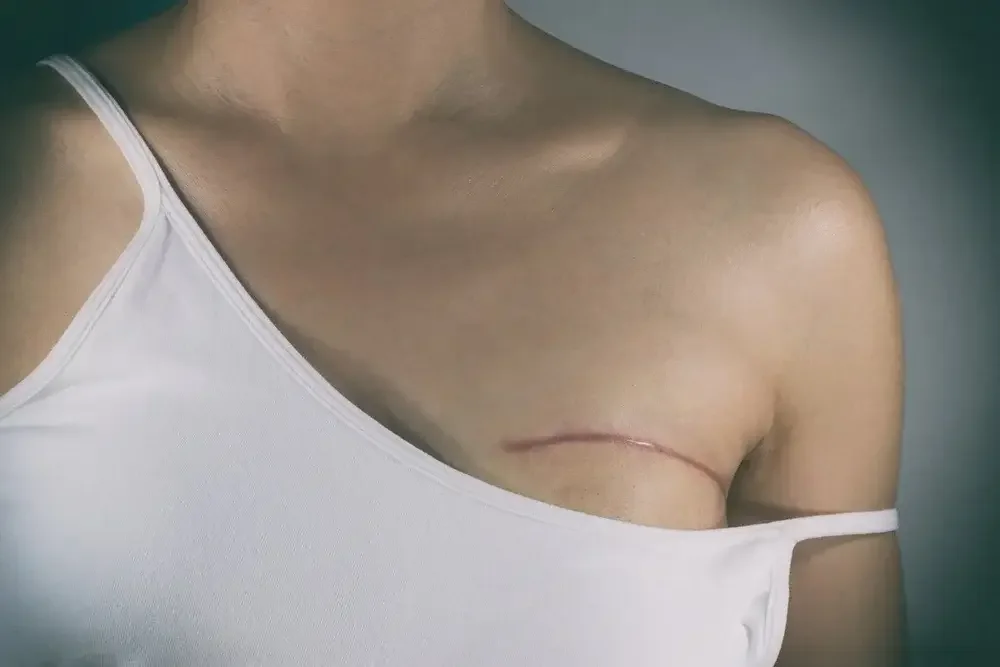
Healing Beyond the Physical: Body Image, Touch, and Recovery After Reconstructive Surgery
Breast reconstruction after treatment for breast cancer is often described as the final step in a long medical journey. But for many women, it marks the beginning of something deeper, relearning how to feel comfortable in their bodies again.
Physical healing is only one part of recovery. Emotional healing, body image, and reconnecting with your body are just as important and often overlooked.
Why Reconnection Matters After Breast Reconstruction
After reconstructive surgery, your body may feel unfamiliar or distant. Sensation can change, scars may alter how you perceive your body, and movement patterns may shift.
It's common to experience:
Disconnection from your chest or breasts
Hesitation or fear around touch
Changes in body image or confidence
Uncertainty in intimacy with a partner
These responses are normal. Your body has gone through significant change — and reconnection takes time and intention.
Understanding Body Image After Reconstruction
Body image is not just about how your body looks — it's about how it feels, moves, and is experienced from within.
After reconstruction, some women feel:
Grateful but unfamiliar with their new body
Conflicted between medical success and emotional adjustment
Disconnected from their breasts or chest
These feelings are valid. Even when surgery is successful, your brain and body need time to integrate the change. This is a recognized part of recovery and something our therapists address directly through breast cancer rehabilitation and plastic surgery recovery care.
The Role of Touch in Healing After Surgery
One of the most important and often avoided parts of recovery is touch.
Many women instinctively avoid touching their breasts after surgery due to:
Fear of pain or discomfort
Anxiety about damaging the surgical site
Emotional discomfort with changes in appearance or sensation
However, avoiding touch can actually prolong discomfort and delay recovery.
Gentle, gradual touch can help:
Improve body awareness
Reduce sensitivity or numbness
Decrease fear and anxiety
Support nervous system regulation
Touch is not just physical; it is how the brain begins to recognize and accept the body again.
How Avoidance Can Worsen Pain and Sensitivity
Avoidance is a natural protective response, but over time, it can contribute to ongoing symptoms.
When areas of the body are avoided:
Muscles may become guarded or tense
Movement patterns may change
Sensitivity may increase rather than decrease
Pain can become more persistent
This is sometimes referred to as protective guarding, where the body stays in a heightened state of defense.
Over time, this can lead to:
Chronic tightness
Discomfort around scars
Reduced mobility
Ongoing pain
Gradual exposure to movement and touch helps signal to the body that it is safe to relax and heal.
Rebuilding Connection With Your Body: A Step-by-Step Approach
Reconnection is a process, not something that happens overnight. It involves both physical and emotional awareness.
1. Start With Gentle Awareness
Begin by simply noticing your body without judgment.
Observe areas of tension or discomfort
Focus on breathing and relaxation
Allow yourself to feel without needing to "fix" anything
2. Gradual Touch and Self-Exploration
When appropriate and cleared by your provider:
Begin with light touch over clothing
Progress to gentle skin contact
Explore areas slowly and at your own pace
This process helps rebuild trust between your brain and your body.
3. Movement and Mobility
Guided movement can help restore confidence and function.
Gentle range-of-motion exercises
Postural awareness
Breathing-based movement
Working with a therapist trained in post-surgical recovery can help ensure these movements are safe and effective.
4. Addressing Scar Tissue and Sensitivity
Scar tissue can feel tight, numb, or overly sensitive. With guidance, techniques such as gentle scar mobilization, soft tissue work, and desensitization exercises can improve comfort and mobility over time. Learn more about how we approach Scar Management and Prevention as part of your recovery.
Reconnecting With Your Partner After Reconstruction
Reconstruction doesn't just affect how you feel in your body — it can also impact intimacy.
It's common to feel:
Uncertain about how your partner will perceive changes
Hesitant to be touched
Emotionally vulnerable
Open communication is key.
Helpful approaches include:
Sharing your comfort level honestly
Taking intimacy slowly
Allowing touch to be gradual and guided by you
Reconnection with a partner often mirrors reconnection with yourself — it takes time, patience, and trust.
The Role of Post-Surgical Rehabilitation in Recovery
Physical and occupational therapy can play an important role in helping women reconnect with their bodies after reconstruction.
Therapists trained in post-surgical care can help with:
Guided movement and mobility
Scar tissue management
Desensitization techniques
Postural and functional restoration
For some patients, therapy also includes support for lymphatic health, especially if there is a risk of lymphedema. Our team offers specialized lymphedema treatment, prevention, and management for patients navigating this aspect of recovery.
You Are Not Alone in This Process
Many women assume that once surgery is complete, they are expected to "move on." But healing is not just physical.
Reconnecting with your body is a deeply personal process that deserves time, attention, and support.
Final Thoughts
Breast reconstruction is not just about restoring shape, it's about restoring connection.
Learning to touch your body again, feel comfortable in your skin, and rebuild trust in how your body moves and feels is an essential part of recovery.
Avoidance may feel protective in the short term, but gentle, supported reconnection is what allows long-term healing to happen.
If you are struggling with discomfort, disconnection, or uncertainty after reconstruction, working with a therapist trained in post-surgical rehabilitation can help guide you safely back to your body at your own pace. Book an appointment to get started.
Frequently Asked Questions
-
Yes. Many women experience a sense of unfamiliarity or disconnection after breast reconstruction. This is a recognized and normal part of the healing process — both physically and emotionally.
-
Once your surgeon clears you, gradual and gentle touch can be helpful in restoring sensation and comfort. A therapist specializing in breast cancer rehabilitation can guide you through this process safely.
-
Yes — avoidance can contribute to ongoing tension, sensitivity, and protective guarding. Gradual, supported exposure often helps reduce discomfort over time.
-
Sensation changes after reconstruction are common and may gradually improve over time. Gentle stimulation and targeted therapy can support this process.
-
A therapist trained in post-surgical care can guide scar management, desensitization, mobility work, and help you reconnect with your body safely and at your own pace.