
Healing Tips for Radiation Burns and Reducing Chest Tightness After Radiation Therapy
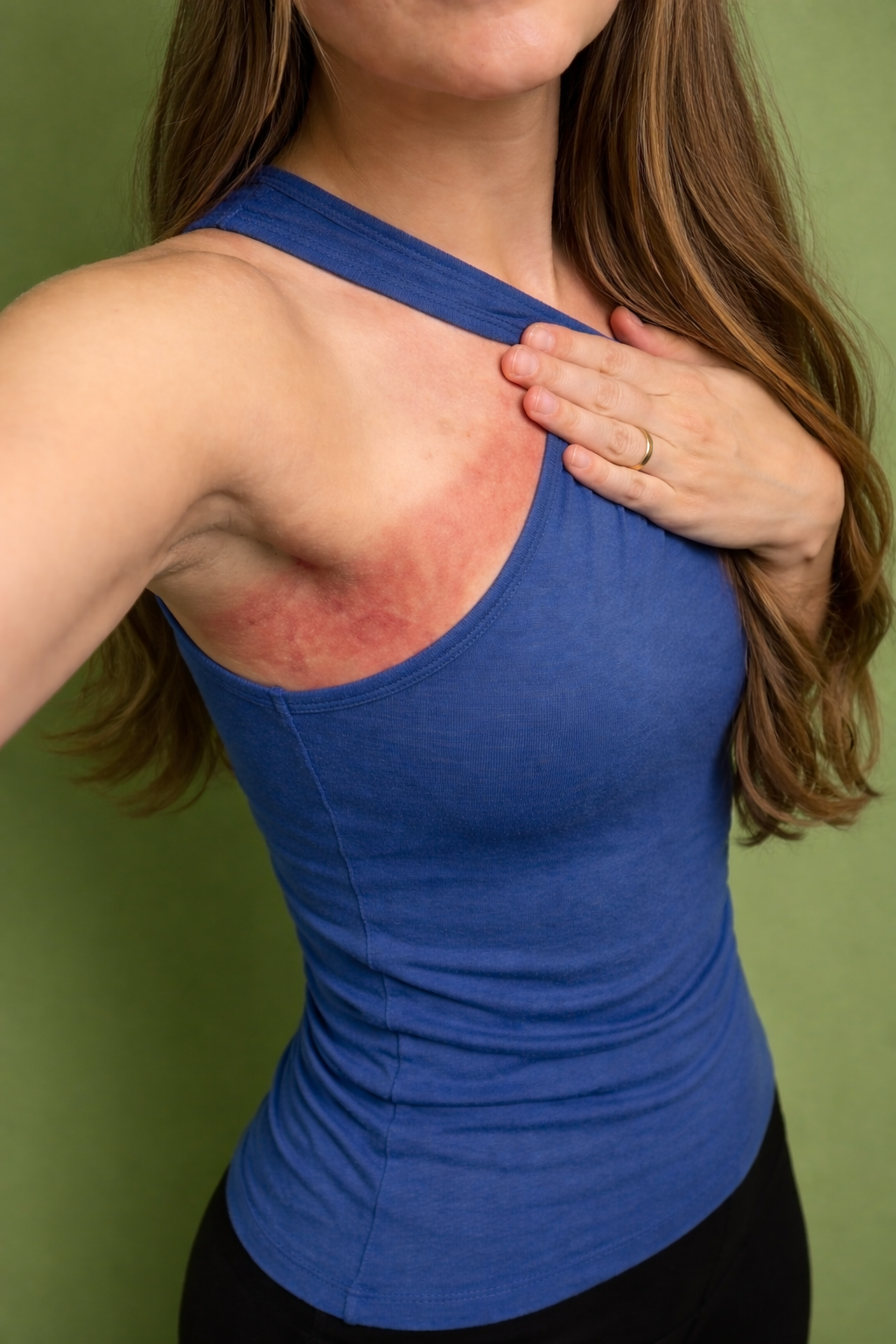
Radiation therapy is a critical part of treatment for many patients with breast cancer, but it can come with side effects that impact both the skin and underlying tissues.
Two of the most common concerns are radiation burns (skin irritation or breakdown) and chest tightness with restricted mobility. With the right care and support, both can be managed effectively, helping you heal more comfortably and restore movement.
What Causes Radiation Burns and Chest Tightness?
Radiation therapy targets cancer cells, but it also affects healthy tissue in the treatment area. Understanding what’s happening in your body helps you respond to it more effectively.
Radiation Burns (Radiation Dermatitis)
Radiation burns can appear as redness or irritation, dry or peeling skin, darkening or discoloration, and sensitivity or tenderness in the treated area. These changes typically develop gradually over the course of treatment.
Chest Tightness and Restricted Mobility
Radiation can also affect deeper tissues, leading to tightness across the chest, reduced shoulder mobility, a pulling sensation with movement, and postural changes. If left unaddressed, this tightness may contribute to long-term stiffness, a condition known as radiation fibrosis, which can develop months or even years after treatment ends.
How to Heal Radiation Burns
Proper skin care is essential during and after radiation. These principles apply throughout treatment and in the weeks that follow:
1. Keep the Skin Clean and Moisturized
Use gentle, fragrance-free cleansers and apply recommended creams or ointments regularly. Avoid harsh or drying products. Hydrated skin heals more efficiently and is less prone to cracking or irritation.
2. Avoid Friction and Irritation
Wear soft, loose-fitting clothing. Avoid tight bras or rough fabrics in the treatment area, and be cautious with straps or seams over radiated skin. Reducing friction allows the skin to recover more effectively.
3. Protect the Skin From Sun Exposure
Radiated skin is significantly more sensitive to UV damage, even after treatment ends. Avoid direct sun exposure, use protective clothing, and follow your care team’s guidance on sunscreen use in the treated area.
4. Follow Your Oncology Team’s Medical Recommendations
Your oncology team may recommend specific topical treatments or dressings depending on the severity of your skin reaction. Always follow their guidance before applying new products — including products that work well on non-radiated skin.
How to Reduce Chest Tightness After Radiation Therapy
Addressing deeper tissue tightness is equally critical for long-term recovery — and it’s an area where many patients don’t receive enough guidance.
1. Gentle Mobility Exercises
Movement helps prevent stiffness and maintain flexibility. Shoulder range-of-motion exercises, chest-opening stretches, and deep breathing exercises all help keep tissues mobile as they heal. These are core components of our breast cancer rehabilitation program.
2. Postural Awareness and Correction
Radiation can cause subtle postural changes, including forward rounding of the shoulders and reduced chest expansion. Addressing posture reduces strain on the chest and neck, improves breathing mechanics, and prevents the kind of chronic discomfort that compounds over time.
3. Soft Tissue and Scar Management
As tissues heal, they may become tight or restricted. Gentle soft tissue work, scar mobilization, and guided stretching can improve flexibility and reduce discomfort and are most effective when started early rather than after restriction has set in.
4. Lymphatic Support and Manual Lymphatic Drainage
Radiation can affect lymphatic flow, increasing the risk of swelling or lymphedema. Manual Lymphatic Drainage (MLD) supports fluid movement, reduces swelling, and improves tissue health. Note: MLD is generally not applied directly over actively inflamed or broken radiated skin, but can be performed on surrounding areas to maintain lymphatic flow throughout treatment.
The Role of Physical and Occupational Therapy After Radiation
Working with a therapist trained in oncology rehabilitation makes a meaningful difference in both the short and long term. Therapy can help manage chest tightness and mobility, support skin and tissue healing, prevent long-term stiffness, and monitor for early signs of complications like lymphedema or radiation fibrosis.
Structured programs like the Strength After Breast Cancer (ABC) program provide guided, safe exercise progressions tailored to each phase of care, including during and after radiation. For patients who want to get ahead of side effects, prehabilitation before treatment begins is also a powerful option.
When to Seek Professional Support
Consider reaching out if you experience persistent chest tightness, limited arm or shoulder movement, pain with daily activities, or skin that is not healing or is worsening. Contact our team at Thera in Midtown Manhattan. Early intervention prevents long-term complications.
Final Thoughts
Radiation therapy is an essential part of treatment, but its side effects on skin and tissue don’t have to become permanent limitations. By addressing skin healing and underlying tissue tightness together with proper care, gentle movement, and guided rehabilitation, patients can recover more comfortably and regain confidence in their bodies.
Explore our full breast cancer rehabilitation program or contact our team to discuss a personalized recovery plan.
Frequently Asked Questions
-
Mild radiation dermatitis often improves within a few weeks after treatment ends. Deeper irritation may take longer. Consistent skin care throughout treatment, not just after, significantly affects healing speed.
-
Yes, it’s common due to tissue changes in the treatment area. It can be significantly improved with guided movement, scar tissue therapy, and rehabilitation, especially when addressed early.
-
Gentle movement is generally safe, but avoid activities that create friction or pressure on the treated skin. Always follow your oncology team’s guidance, and work with a therapist who understands radiation-specific precautions.
-
Yes. Therapy reduces tightness, improves mobility, supports lymphatic function, and helps patients regain strength and function. Our breast cancer rehabilitation program is designed specifically for this.
-
Radiation fibrosis is a progressive stiffening and thickening of connective tissue that can appear months or years after radiation ends. It affects muscles, tendons, ligaments, and skin. Physical therapy and Complete Decongestive Therapy can meaningfully improve quality of life and tissue mobility.