
Preparing for Radiation Therapy After Lumpectomy or Mastectomy (NYC Guide)
Author: Megan McCarthy
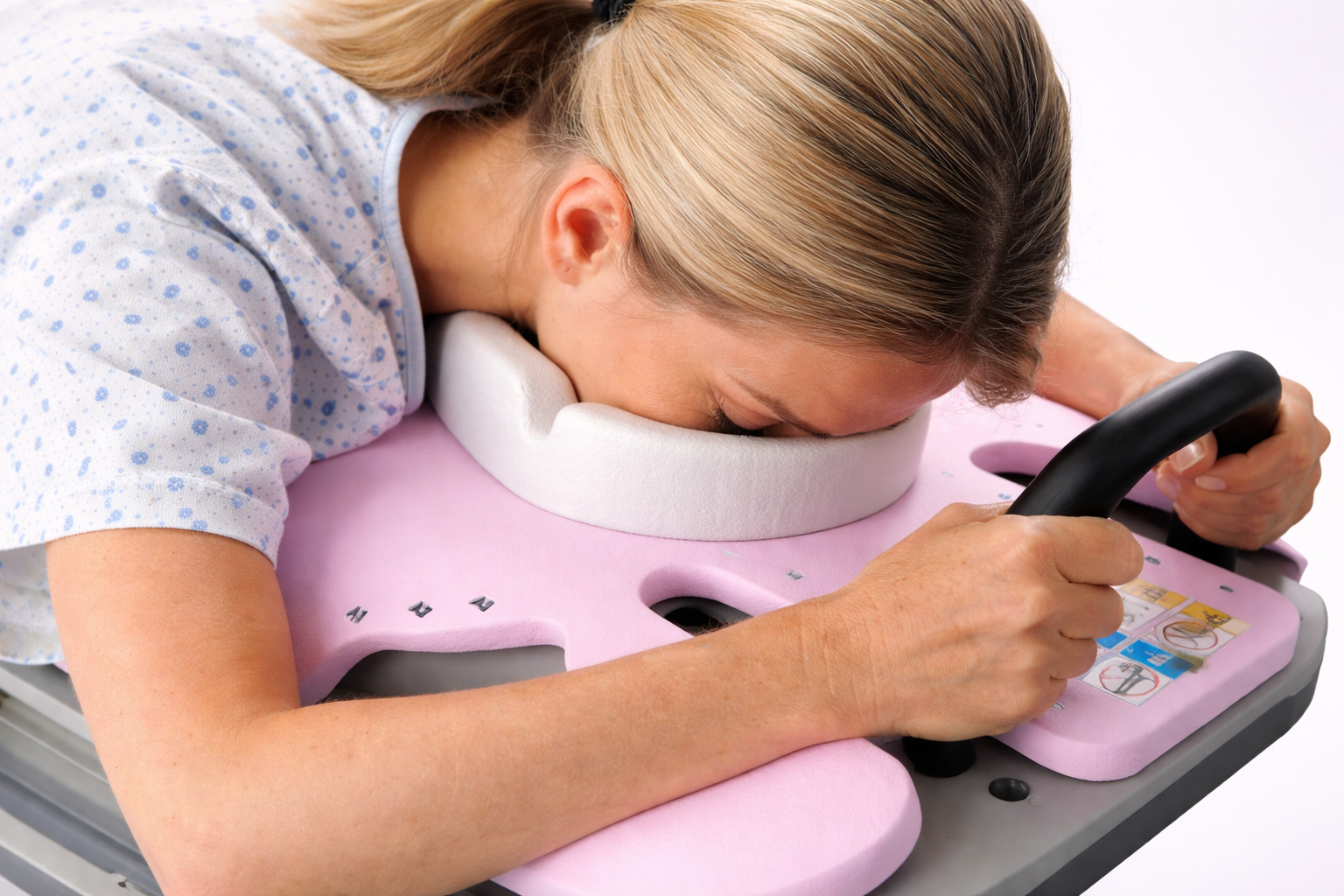
After a lumpectomy or mastectomy for Breast Cancer, radiation therapy is often the next step in treatment. While your oncology team will guide the medical aspects, there are important ways you can prepare your body ahead of time to support healing, reduce side effects, and improve long-term outcomes.
Taking a proactive approach before radiation begins can make a meaningful difference in how your body responds during and after treatment.
Why Preparation Before Radiation Therapy Matters
Radiation therapy can affect both the skin and deeper tissues, which may lead to:
Skin irritation or radiation burns
Chest and shoulder tightness
Fatigue
Changes in mobility
Preparing in advance helps your body better tolerate these changes and may reduce the severity of side effects.
1. Establish Baseline Mobility
Before radiation begins, it is important to understand your current range of motion.
Focus on:
Shoulder mobility
Chest flexibility
Postural alignment
Having a baseline allows therapists to monitor changes and intervene early if tightness develops.
This is especially important after surgery, as scar tissue and healing tissues may already be limiting movement. Programs like the ABC Strength Breast Cancer Program are designed to help patients safely rebuild mobility before and during treatment.
2. Begin Gentle Stretching and Movement
Starting gentle exercises before radiation can help maintain mobility throughout treatment.
Helpful movements include:
Shoulder range-of-motion exercises
Chest-opening stretches
Deep breathing exercises
These exercises help keep tissues flexible and reduce the risk of long-term tightness.
For guidance, working with a therapist trained in breast rehabilitation can ensure exercises are safe and effective.
3. Optimize Skin Health Before Treatment
Healthy skin is more resilient to radiation.
Before starting therapy:
Keep the skin clean and well-moisturized
Avoid harsh or fragranced products
Stay hydrated
Protect the area from irritation
Starting with healthy skin can help reduce the severity of radiation burns later.
4. Understand Your Risk for Swelling
Radiation therapy can affect lymphatic flow, especially if lymph nodes were removed.
This may increase the risk of Lymphedema or axillary web cording.
Early education and monitoring can help:
Identify swelling early
Implement preventive strategies
Improve long-term outcomes
Learn more in our guide on Understanding Lymphedema or What is Axillary Web Syndrome
5. Prepare for Postural Changes
After surgery, many patients naturally adopt a protective posture, such as:
Rounded shoulders
Forward head position
Reduced chest expansion
Radiation can reinforce these patterns if not addressed.
Working on posture before treatment can help:
Reduce chest tightness
Improve breathing
Prevent long-term discomfort
6. Plan for Support During Treatment
Radiation therapy typically occurs daily over several weeks. Planning ahead can reduce stress and improve consistency.
Consider:
Scheduling appointments at manageable times
Wearing comfortable clothing
Allowing time for recovery
If you’re located in New York City, finding a rehabilitation provider experienced in oncology care can provide additional support throughout treatment.
7. Consider Prehabilitation
Prehabilitation focuses on preparing your body before treatment begins.
This may include:
Mobility and strengthening exercises
Education on managing side effects
Lymphatic system support
Postural training
Prehabilitation has been shown to improve recovery and reduce complications after treatment.
You can learn more in our article on Prehabilitation for Breast Cancer Surgery.
How Therapy Supports You During Radiation
Working with a therapist before and during radiation therapy can help:
Maintain mobility and flexibility
Reduce chest tightness
Support lymphatic function
Monitor changes early
Therapists can also guide you through Manual Lymphatic Drainage (MLD) and other techniques to support your body throughout treatment.
Final Thoughts
Preparing for radiation therapy after a lumpectomy or mastectomy is an important step in your recovery journey.
By focusing on mobility, skin health, posture, and lymphatic support, you can help your body better tolerate treatment and reduce long-term side effects.
If you are in New York City and looking for guidance, working with a therapist trained in breast cancer rehabilitation can help you feel more prepared, supported, and confident going into treatment.
Frequently Asked Questions
-
Ideally, preparation begins as soon as surgery recovery allows and before radiation starts.
-
Yes. Gentle movement and stretching can improve mobility and reduce tightness during treatment.
-
Keep skin clean, hydrated, and free from irritation to improve resilience.
-
Yes. Prehabilitation can improve mobility, reduce side effects, and support recovery.
When is it safe to touch radiated skin after a treatment session?
In most cases, gentle touch is safe after a radiation session, but the skin in the treated area can become increasingly sensitive over time. It is important to:
Avoid rubbing or applying pressure immediately after treatment
Use light, gentle contact when cleansing or applying approved products
Follow your radiation oncology team’s instructions for skin care
Avoid friction, heat, or harsh products on the treated area
During active radiation — MLD is generally permitted, with restrictions
MLD is contraindicated directly in the presence of radiation dermatitis — meaning you cannot work directly over actively inflamed, broken, or burned radiated skin. Marin cancer care However, manual stress to the tissue should be avoided directly over an area undergoing radiation treatment, but work can be done on surrounding and unaffected areas Wikipedia to still support lymphatic flow.
How to Treat Radiation fibrosis
Radiation fibrosis can show up months or even years after radiation ends, and affects muscles, tendons, ligaments, and skin. While there is no cure, it is something that can be successfully treated with physical therapy to improve quality of life.Complete decongestive treatment — which includes MLD, compression, skin care, and exercise — is the recommended approach for addressing fibrotic tissue.Breast Cancer Organization