
How Do I Manage Scarring After Breast Surgery or Reconstruction?
Author: Megan McCarthy
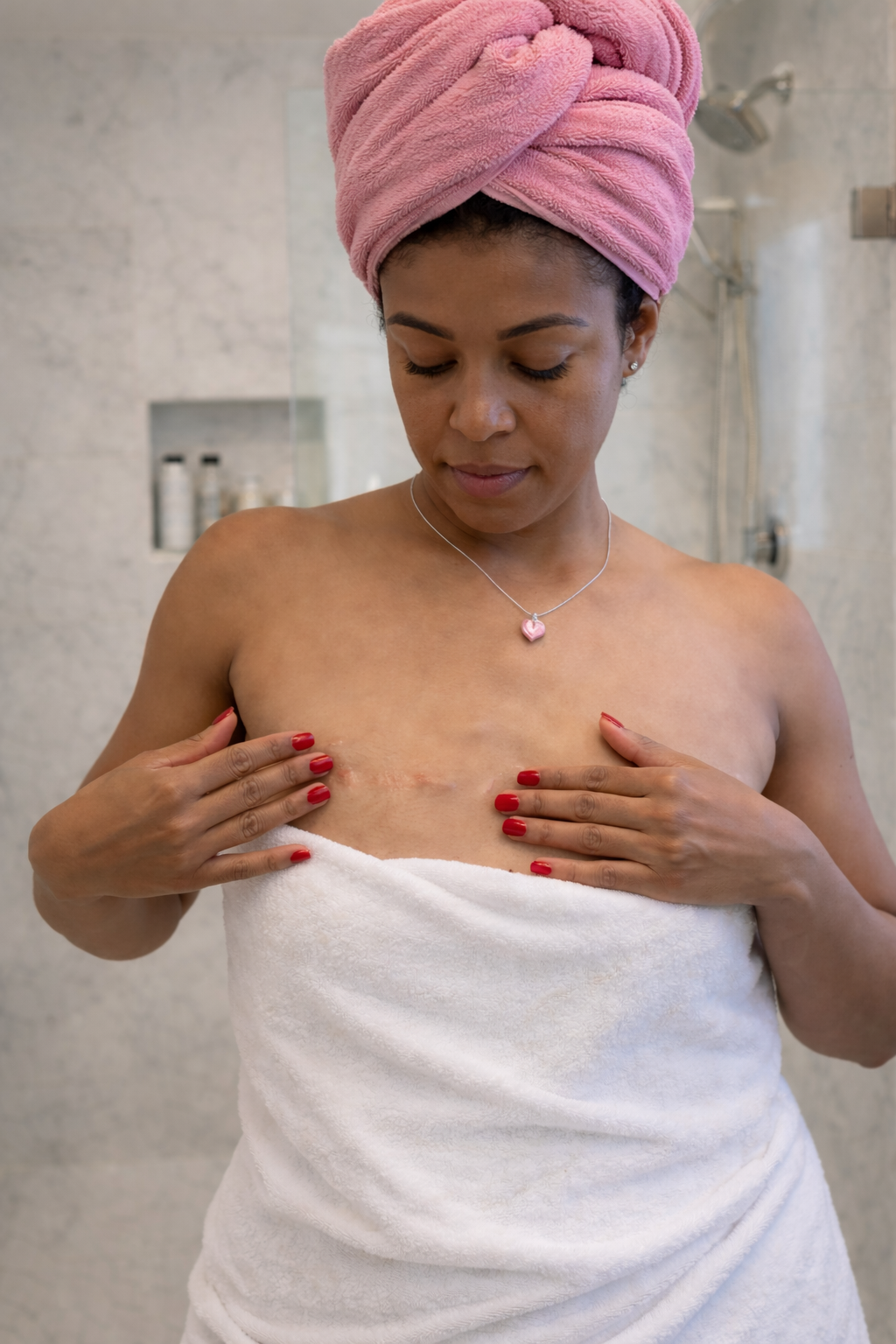
Scarring is a natural part of healing after breast surgery or reconstruction for Breast Cancer. While scars are expected, how they heal can vary from person to person. With the right approach, scars can become softer, more flexible, and less noticeable over time.
Proper scar management is not just about appearance—it plays a critical role in comfort, mobility, and long-term recovery.
Why Scar Management Matters
Scar tissue forms as part of the body’s healing response, but without proper care it can:
Feel tight or restrictive
Limit shoulder and chest mobility
Cause pulling or discomfort
Impact posture and movement patterns
When left unaddressed, scar tissue may adhere to underlying structures, affecting both function and comfort.
For patients recovering from breast procedures, combining scar care with breast rehabilitation therapy can help restore movement and improve overall outcomes.
When Should You Start Scar Management?
Scar management should begin only after your incision is fully closed and healed, and once your surgeon has cleared you.
Starting at the right time is important:
Too early → may disrupt healing
Too late → may lead to increased stiffness or restriction
If you're unsure, working with a therapist trained in post-surgical recovery can help guide you safely.
Effective Ways to Manage Scarring
1. Keep the Skin Hydrated
Hydration is the foundation of healthy scar healing.
Use a gentle, non-scented lotion
Apply consistently to prevent dryness
Hydrated tissue is more flexible and responsive to treatment
2. Gentle Scar Massage
Once cleared, scar massage can:
Improve tissue mobility
Reduce tightness
Break up adhesions
Increase circulation
Massage should always be gradual and guided, especially early on.
3. Silicone Sheets and Gels
Silicone products are widely used in scar management and may help:
Flatten raised scars
Improve overall appearance
Reduce redness and thickness
These are typically used daily for consistent results.
4. Movement and Stretching
Scar tissue responds to movement. Without it, tissues may become stiff and restrictive.
Helpful exercises include:
Shoulder mobility work
Chest-opening stretches
Postural exercises
These movements are often incorporated into post-surgical rehabilitation programs to maintain function.
5. Compression Garments
Compression can support proper healing by:
Reducing swelling
Supporting tissue alignment
Helping guide scar formation
For best results, proper fit is essential. Learn more in our guide on compression garments after surgery.
The Role of Therapy in Scar Management
Working with a physical or occupational therapist trained in post-surgical recovery can significantly improve outcomes.
Therapy may include:
Scar mobilization techniques
Soft tissue therapy
Desensitization exercises
Guided movement and strengthening
These approaches help improve mobility, comfort, and long-term tissue health.
For patients at risk of swelling or lymphatic disruption, therapy may also include monitoring and treatment for Lymphedema.
Managing Sensitivity and Discomfort
After surgery, scars may feel:
Numb
Sensitive
Tingling or hypersensitive
Avoiding the area completely can increase sensitivity over time. Gradual exposure to touch helps the nervous system adapt and improves comfort.
This concept is important—avoidance can contribute to prolonged pain, while guided exposure supports recovery.
What to Avoid
To protect healing tissue, avoid:
Aggressive or deep massage too early
Harsh or fragranced products
Poorly fitted garments
Direct sun exposure on healing scars
Following proper guidelines helps prevent irritation and supports optimal healing.
How Long Does Scar Healing Take?
Scar healing occurs in phases:
Early healing: first few weeks after incision closure
Remodeling phase: several months
Continued improvement: up to a year or longer
Consistency in scar care can significantly influence final results.
Final Thoughts
Scarring is a natural part of the healing process, but it doesn’t have to limit your comfort, movement, or confidence.
With the right approach—including hydration, gentle massage, movement, and guided therapy—scars can become more flexible, less noticeable, and more functional over time.
If you’re experiencing tightness, discomfort, or concerns about your healing, working with a therapist trained in post-surgical care can help you recover more comfortably and effectively.
Frequently Asked Questions
-
Scars do not disappear completely, but they often fade and soften significantly with proper care.
-
Only once your incision is fully healed and all scabs are off.
-
Yes. Tight or adhered scar tissue can lead to discomfort and restricted movement.
-
Yes. Therapy can improve mobility, reduce discomfort, and help optimize long-term outcomes.