
Understanding Lymphedema
Author: Megan McCarthy
Lymphedema: Causes, Symptoms, and Management
Lymphedema is a condition that often goes unrecognized or misunderstood, yet it affects millions of people worldwide. Whether you're newly diagnosed, caring for someone with the condition, or simply expanding your health knowledge, understanding lymphedema is an important step in managing its impact on daily life.
What Is Lymphedema?
Lymphedema is a chronic condition characterized by swelling, typically in the arms or legs, caused by a blockage or dysfunction in the lymphatic system.
The lymphatic system is a vital part of the immune system. It drains lymph fluid — which contains white blood cells and waste products — from tissues and returns it to the bloodstream.
When this system becomes impaired, lymph fluid accumulates. This buildup can lead to noticeable swelling, discomfort, and an increased risk of infection.
Causes of Lymphedema
Lymphedema is generally classified into two categories:
Primary Lymphedema :
Primary lymphedema is a rare, inherited condition caused by abnormalities in the development of the lymphatic system.
It may present:
At birth
During puberty
Later in life without a clear external cause
Secondary Lymphedema :
Secondary lymphedema is more common and develops due to damage or obstruction within the lymphatic system.
Common causes include:
Cancer treatments such as surgery or radiation, particularly for breast, gynecological, or prostate cancer
Infections that damage lymph nodes or vessels
Injury or trauma affecting the lymphatic system
Chronic venous insufficiency or obesity, which can overload lymphatic function
Recognizing the Symptoms
Early detection of lymphedema can improve outcomes and prevent progression.
Common symptoms include:
Swelling in part or all of the arm or leg, including fingers or toes
A feeling of heaviness or tightness
Limited range of motion
Aching or discomfort
Recurring infections
Hardening or thickening of the skin (fibrosis)
In early stages, swelling may fluctuate and appear to resolve temporarily before becoming more persistent.
Living With and Managing Lymphedema
There is no cure for lymphedema, but effective management can reduce symptoms and improve quality of life. Common treatment strategies include:
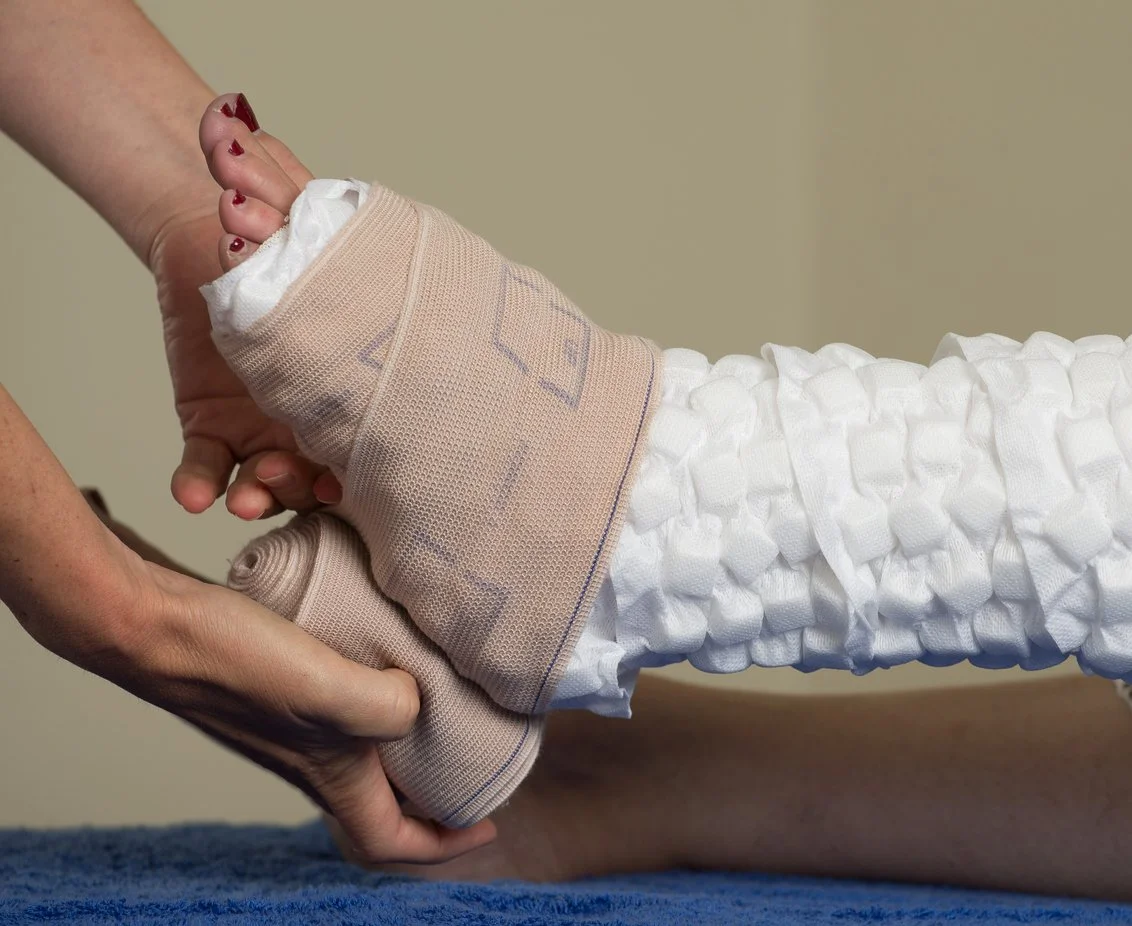
Compression Therapy: Wearing compression garments or using pneumatic compression pumps to help fluid flow.
Manual Lymph Drainage (MLD): A specialized form of gentle massage that stimulates lymphatic flow.
Exercise: Light activities, such as walking, swimming, or yoga, can help maintain lymph movement.
Skin Care: Preventing infection through good hygiene and prompt treatment of cuts or scratches.
Healthy Lifestyle: Maintaining a healthy weight and staying hydrated can reduce strain on the lymphatic system.
Final Thoughts
Understanding lymphedema is the foundation for effective management. With appropriate care, education, and support, individuals living with lymphedema can maintain active and fulfilling lives.
If you or someone you know experiences persistent swelling, do not ignore it. Early evaluation and intervention are essential.
If you are experiencing persistent swelling or have concerns about lymphedema, schedule a consultation with our team to discuss treatment options and personalized care plans designed to improve your quality of life.