"What Type of Breast Implant Should I Get?" — One of the Most Common Questions We Hear in Therapy
Author: Sabrina Vaishnavi
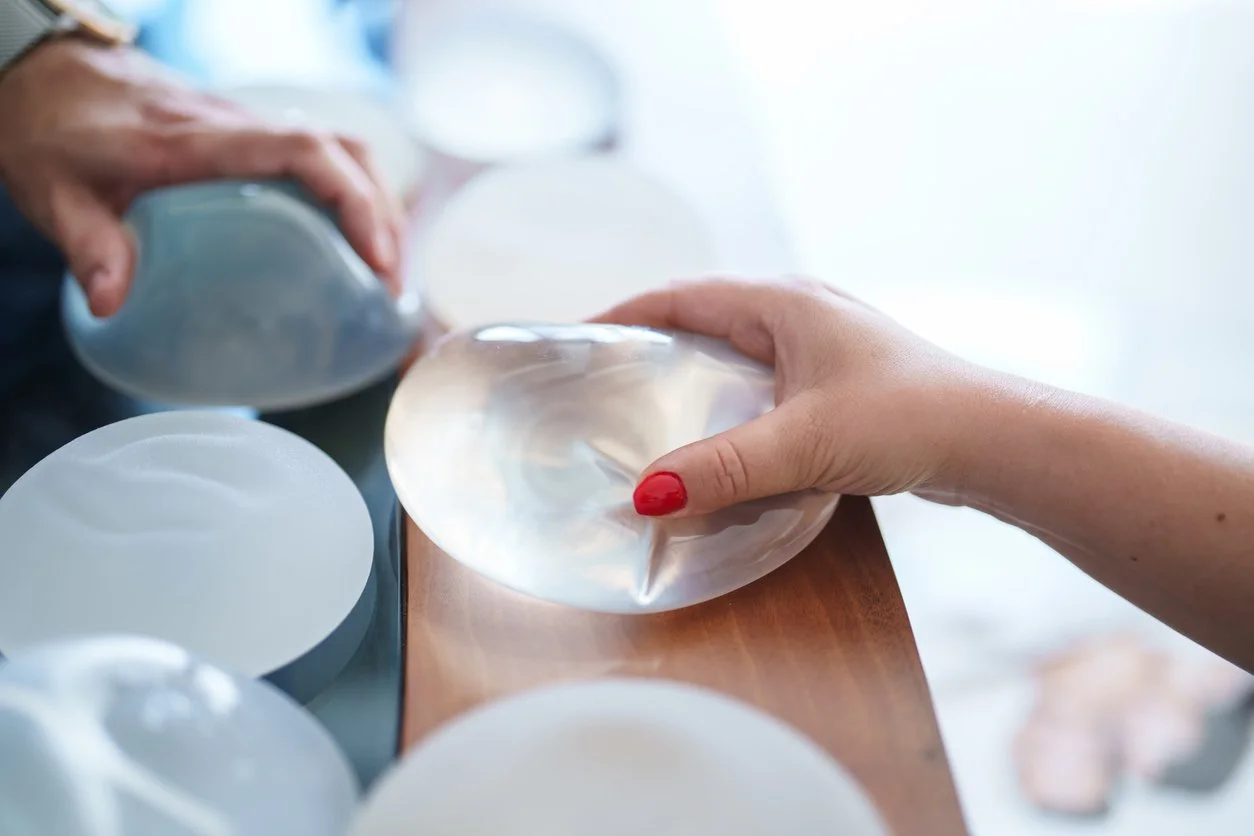
Whether you are preparing for cosmetic breast augmentation or recovering from reconstructive surgery, one question comes up repeatedly in our sessions:
“What kind of breast implant should I choose?”
It’s an important decision — and not only for aesthetic reasons.
The type of implant you select can influence:
Healing and scar formation
Chest wall and shoulder mobility
Long-term comfort and feel
Risk of complications such as capsular contracture
Post-surgical stiffness, including frozen shoulder (adhesive capsulitis)
There is a great deal of conflicting information online. Below is a clear, balanced overview to help you make an informed decision alongside your surgeon.
If you would like individualized guidance based on your surgical plan and recovery goals, you can schedule a consultation with our team at any stage of your journey.
Silicone vs. Saline: Understanding the Difference
Silicone Implants
Silicone implants are filled with cohesive silicone gel designed to mimic the softness and movement of natural breast tissue.
Advantages
Softer, more natural texture
Less visible rippling
“Gummy bear” (form-stable) versions maintain shape well
Considerations
Ruptures may be silent and not immediately noticeable
Periodic MRI or high-resolution ultrasound is recommended
Higher cost compared to saline
Some studies suggest a slightly higher rate of capsular contracture
Typical lifespan: 10–20 years
Monitoring: Imaging every 5–6 years is generally recommended
Saline Implants
Saline implants are filled with sterile salt water after placement.
Advantages
Rupture is immediately visible (implant deflates)
No special imaging required to detect rupture
Often inserted through a smaller incision
Lower overall cost
Considerations
Slightly firmer feel
Higher likelihood of visible rippling, especially in thinner patients
May feel less natural in reconstruction cases
Typical lifespan: 10–15 years
Monitoring: Routine surgical follow-up; no imaging required solely for rupture detection
Shape and Surface Options
Shape: Round vs. Anatomical (Teardrop)
Round implants
Provide fuller upper-pole projection
Can rotate without altering breast shape
Anatomical (teardrop) implants
Create a more natural slope
If rotation occurs, breast shape may appear distorted
Surface: Smooth vs. Textured
Smooth implants
Move more naturally within the pocket
Lower association with BIA-ALCL
May shift slightly over time
Textured implants
Designed to reduce movement
Associated with a rare lymphoma known as Breast Implant-Associated Anaplastic Large Cell Lymphoma (BIA-ALCL)
Now used less frequently and under stricter regulatory oversight
Long-Term Considerations and Potential Complications
Capsular Contracture
All implants form a natural scar capsule. In some cases, that capsule tightens and hardens.
This may cause:
Breast firmness
Visible distortion
Discomfort
Risk factors include:
Infection
Hematoma
Subglandular (above muscle) placement
Possibly silicone implants
Frozen Shoulder (Adhesive Capsulitis)
Frozen shoulder is not caused by the implant itself, but it can develop after breast surgery — particularly when:
Implants are placed under the muscle
Arm movement is restricted for too long
Pain leads to guarding and avoidance
Early guided movement, structured rehabilitation, and appropriate scar care significantly reduce this risk. This is one reason post-operative therapy is so important — not just for comfort, but for long-term function.
If you are concerned about stiffness, discomfort, or mobility limitations after surgery, booking a consultation with our team early can help prevent small issues from becoming long-term problems.
How Long Do Breast Implants Last?
Breast implants are not lifetime devices.
Most require replacement within 10–20 years
Some patients experience no issues for decades
Others may require earlier revision
Even if you feel well, regular follow-up with your surgeon is essential.
How Do You Decide?
There is no universally “best” implant — only the best choice for your body, goals, and medical history.
Your decision should consider:
Your anatomy
Cosmetic vs. reconstructive purpose
Tolerance for long-term imaging
Past radiation or medical history
Lifestyle and activity level
Commitment to post-operative care
Your surgeon will guide the surgical choice. Our role begins once surgery is complete — helping you heal, move comfortably, and prevent avoidable complications.
Recovery Is More Than the Implant
Implants are only one part of the journey. Long-term comfort and confidence depend heavily on:
Lymphatic therapy to manage swelling
Range-of-motion restoration
Scar tissue mobilization
Progressive strengthening
Education to prevent shoulder stiffness
If you are preparing for surgery or already recovering, structured rehabilitation can make a meaningful difference in how your body feels months and years from now.
Schedule a consultation with our team to receive a personalized recovery plan tailored to your procedure, anatomy, and long-term goals. Thoughtful rehabilitation today supports better movement, comfort, and confidence tomorrow.