
Lymphedema and Flying: How to Protect Yourself Before, During, and After Air Travel
Author: Sabrina Vaishnavi
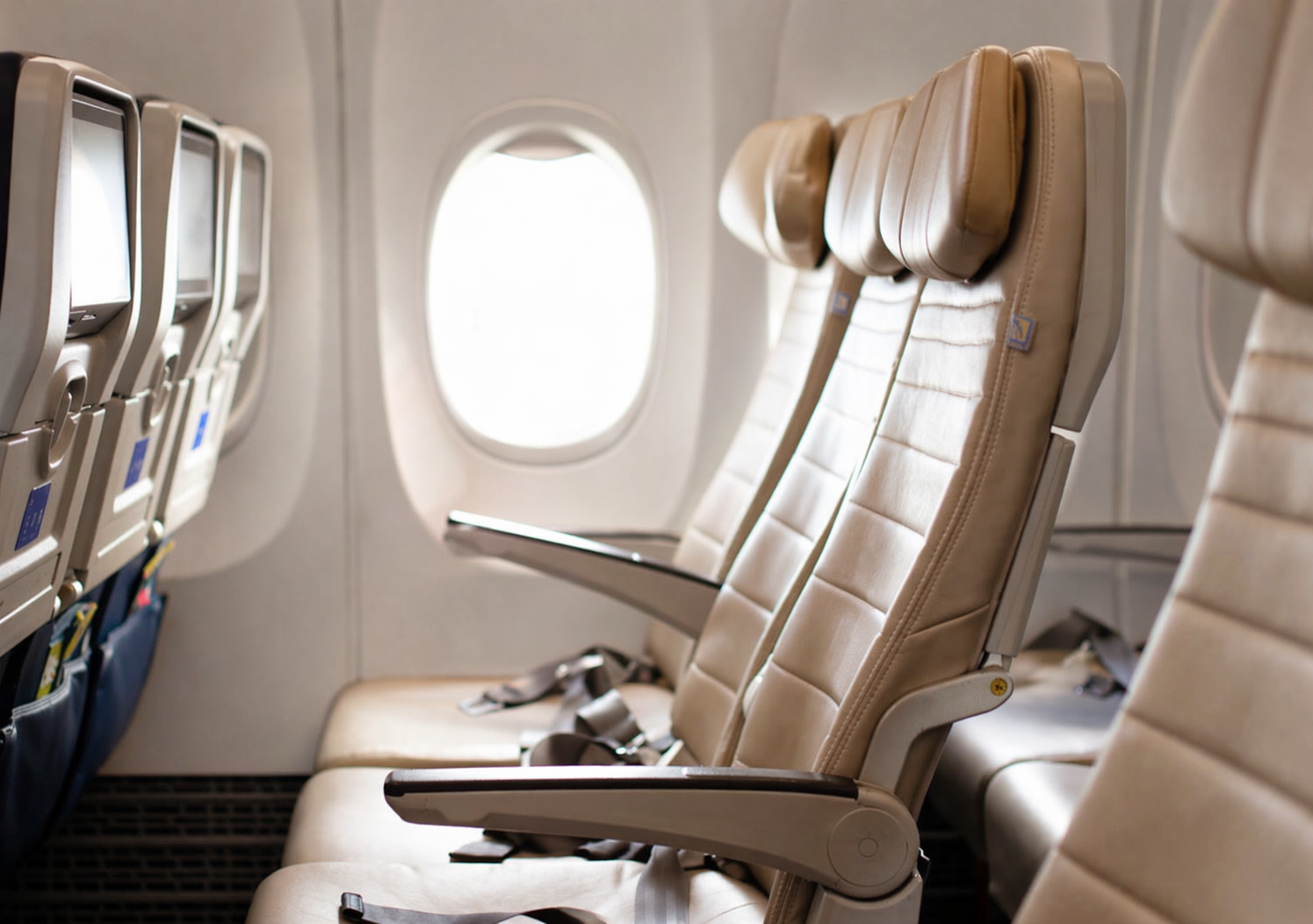
Flying with lymphedema can increase the risk of swelling due to changes in cabin pressure, reduced movement, and prolonged sitting. These factors are recognized as contributors to fluid accumulation in individuals with impaired lymphatic function, particularly during long flights.
This does not mean you should avoid flying. It means you need to manage the conditions that make swelling more likely.
Understanding how air travel affects lymphatic function changes how you prepare, what you do during the flight, and how you recover afterward. This guide breaks down exactly what happens in the body and what to do before, during, and after flying to reduce swelling and prevent flare-ups.
If you are in New York City and managing lymphedema, the team atThera Physical and Occupational Therapy in Midtown Manhattan can help you build a personalized travel plan before your next flight.
Why Flying Increases Lymphedema Risk and What Happens in the Body
Flying increases the risk of swelling because it changes how fluid moves through the body. Cabin pressure is lower at altitude, which allows fluid to shift more easily into surrounding tissue. In lymphedema, where lymphatic drainage is already limited, that fluid is harder to clear.
Movement also decreases during a flight. The lymphatic system relies on muscle activity to help move fluid through the body. Because of that, prolonged inactivity, such as sitting during air travel, can contribute to fluid buildup in affected areas.
Who Is Most at Risk When Flying with Lymphedema
Not everyone with lymphedema responds to air travel in the same way. Risk increases when the lymphatic system has less capacity to manage fluid or when additional stress is placed on it during a flight.
Patients most likely to experience swelling include:
Those who have had lymph node removal or radiation: These treatments reduce available lymphatic pathways, which limit how efficiently fluid can be cleared.
Individuals with existing or unmanaged swelling: If fluid is already present in the tissue, additional buildup during travel is more likely.
People taking long-haul or frequent flights: Extended periods of sitting and reduced movement increase the chance of fluid accumulation.
Patients recovering from recent surgery: The lymphatic system is still adapting, making fluid balance more easily disrupted.
Those without a consistent management routine: Irregular use of compression, limited movement, or lack of preventive care increase the risk during travel.
Risk depends on the demand placed on the lymphatic system relative to its ability to respond. If you are unsure where you fall on this spectrum, a pre-travel assessment atThera's Midtown Manhattan clinic can help clarify your risk and prepare you for safer travel.
How to Prepare Before Flying with Lymphedema
Preparation plays a key role in reducing the likelihood of swelling during or after a flight. Air travel places additional demand on a lymphatic system that may already be working with reduced capacity. Lower cabin pressure, prolonged sitting, and limited movement all increase the amount of fluid your body needs to manage.
The goal before flying is to reduce that demand as much as possible and avoid adding new stress. That means starting with lower fluid levels, using the right compression, and planning ahead for movement, hydration, and skin protection. Small adjustments made before you board can significantly reduce the likelihood of a flare.
Working with a therapist trained inlymphedema management can help you develop a personalized strategy customized to your condition and travel plans.
1. Get a Pre-Flight Assessment and Travel Plan in Place
A current assessment helps you understand your baseline before travel. If swelling is already present or your condition has changed, your plan may need to be adjusted. This is also the time to confirm whether your current compression is appropriate and whether additional support is needed for the flight.
2. Build a Pre-Flight Fluid Management Strategy
Reducing fluid buildup before travel lowers the risk of swelling during the flight. Consistent use of compression in the days leading up to travel helps maintain control. When appropriate, targeted care can further reduce fluid so you are not starting the flight at a disadvantage.
3. Plan Movement, Seating, and Physical Strain in Advance
How you plan your travel day affects the strain placed on the affected area. Choosing an aisle seat makes it easier to stand and move. Using rolling luggage and avoiding lifting heavy bags reduces unnecessary load on the limb. Planning this in advance prevents avoidable stress.
4. Build a Hydration Strategy Before Travel Day
Hydration supports the regulation of fluid in the body. Begin increasing water intake before your flight rather than trying to correct it during travel. Avoid alcohol, excess caffeine, and high-sodium foods, as they can contribute to fluid imbalance and make swelling more difficult to control.
5. Pack a Lymphedema-Specific Travel Kit
Keep everything you need within reach. Compression garments, including backups, should always be in your carry-on. Include any products you use for skin care and maintenance. Travel delays are common, and access to these items is necessary to maintain consistency.
6. Protect Skin to Reduce Infection Risk
Skin irritation can complicate lymphedema management. Before travel, make sure the skin is intact, moisturized, and free of cuts or irritation. Protecting the skin reduces the risk of issues that can increase swelling or require additional care.
7. Adjust Your Plan for Long-Haul vs Short Flights
Longer flights increase exposure to the same factors that contribute to swelling. Preparation should be more structured for long-haul travel, with closer attention to compression, movement, and overall management. Short flights carry less risk but still require basic precautions.
8. Have a Contingency Plan if Swelling Starts Before Boarding
Early signs such as heaviness or tightness should not be ignored. Reinforce compression and reduce any activity that adds strain before boarding. Addressing these changes early helps prevent progression during the flight.
Why Long Flights Increase Lymphedema Risk
Long flights place sustained stress on the lymphatic system, making swelling more likely compared to shorter trips. The same factors that affect any flight — reduced cabin pressure, limited movement, and prolonged sitting — are present for longer, increasing their impact.
Over time, fluid continues to shift into surrounding tissue while lymphatic drainage remains limited. What may feel like mild heaviness early in the flight can develop into visible swelling as hours pass.
Extended immobility also plays an important role. The lymphatic system relies on muscle activity to move fluid, and prolonged sitting reduces that movement. As a result, fluid is more likely to accumulate in the affected area.
Small factors that might not cause issues on a short flight — such as slight dehydration, pressure from clothing, or minimal restriction in movement — can become more significant over several hours.
Because of this, long-haul travel requires more intentional management. The longer the flight, the more important it becomes to support lymphatic flow throughout the trip.
What to Do During the Flight to Prevent Lymphedema Swelling
What you do during the flight affects how your body manages fluid. Consistent movement, proper positioning, and maintaining supportive conditions can reduce the risk of swelling.
1. Move Regularly to Support Lymphatic Flow
Stand, walk, or change position every 30 to 60 minutes when possible. Even short periods of movement help stimulate the muscle activity needed to move fluid through the lymphatic system.
2. Perform Simple In-Seat Exercises
If standing is not possible, small movements can still help. Gentle arm or leg exercises, ankle pumps, and shoulder rolls can promote circulation and reduce fluid buildup.
3. Wear Properly Fitted Compression Garments
Compression garments are commonly recommended for individuals with lymphedema during air travel, as they help maintain tissue pressure and support lymphatic flow when properly fitted. Ill-fitting compression can be ineffective and uncomfortable, so proper sizing is important. The type and level of compression should be based on your specific condition and guidance from a qualified provider.
4. Maintain Steady Hydration
Drink water throughout the flight. Proper hydration supports fluid balance, while dehydration can make swelling more difficult to manage. Limit alcohol and excess caffeine, which contribute to imbalance.
5. Avoid Restrictive Positioning and Clothing
Tight clothing, crossed legs, or positions that compress the affected area can restrict flow. Keep the limb in a neutral, supported position whenever possible.
6. Monitor Early Signs of Swelling
Pay attention to sensations like heaviness, tightness, or warmth. Addressing these signs early by moving, adjusting compression, or changing position can help prevent progression.
How Heat Affects Lymphedema During Travel
Heat can increase the risk of swelling by promoting vasodilation. With blood vessels dilated, more fluid moves into surrounding tissues — a known factor in lymphedema management.
During air travel, heat exposure can come from multiple sources. Airplane cabins may feel warm over time, especially on long flights, and changes in climate at your destination can further increase risk. Even mild increases in temperature can contribute to fluid buildup when combined with reduced movement and prolonged sitting.
1. Dress to Regulate Temperature
Wear lightweight, breathable clothing that allows heat to dissipate. Avoid tight or heavy layers that can trap warmth and restrict circulation.
2. Stay Consistently Hydrated
Hydration supports the body's ability to regulate temperature and maintain fluid balance. Drinking water regularly can help reduce the impact of heat on swelling.
3. Avoid Overheating During Travel
If the cabin feels warm, adjust layers as needed and use airflow from overhead vents. Small adjustments can help maintain a more stable temperature.
4. Plan for Climate Changes at Your Destination
If you are traveling to a warmer environment, take steps to adjust gradually. Limit prolonged heat exposure, especially during the first few days, and continue using compression and movement strategies.
5. Monitor How Your Body Responds to Heat
Pay attention to early signs such as increased heaviness, warmth, or tightness. These changes can indicate that fluid is beginning to accumulate and should be addressed early.
After Flying: How to Reduce Swelling and Prevent a Flare
The period after landing is when swelling often becomes noticeable. Fluid may continue to shift and accumulate even after the flight has ended, especially if it is not addressed early. The goal is to restore normal lymphatic flow, reduce any buildup, and prevent progression into a flare.
1. Continue Compression and Normalize Tissue Pressure After Landing
Keep compression garments on for several hours after arrival. This helps stabilize pressure in the tissue and supports continued fluid movement as your body readjusts to ground-level conditions.
2. Use Movement and Elevation to Restart Lymphatic Flow
Resume walking as soon as possible to reintroduce muscle-driven lymphatic activity. Elevating the affected limb can help counter fluid accumulation and support drainage.
3. Use Manual Techniques to Clear Residual Fluid Buildup
Perform your self-manual lymphatic drainage routine shortly after travel. If you use a pneumatic compression device, this is an appropriate time to use it to help move any accumulated fluid.
4. Identify Early Signs of a Lymphedema Flare
Pay attention to heaviness, tightness, or visible swelling. Early changes are easier to manage than symptoms that have been present for several hours or days.
5. Know When Symptoms Require Clinical Intervention
If swelling does not improve within 24 to 48 hours or if symptoms increase, it may require targeted care. Repeated flare-ups after travel are also a sign that your management strategy needs adjustment.
6. Protect Skin to Prevent Post-Flight Complications
Inspect the skin for dryness, irritation, or small injuries. Maintaining skin integrity reduces the risk of infection, which can worsen swelling and complicate recovery.
When to See a Specialist After Flying
Some swelling after air travel can occur, but it should improve with basic management. When it does not resolve or begins to worsen, it usually means the lymphatic system needs more support than self-care alone can provide.
Seek evaluation if you notice:
Swelling that does not improve within 24 to 48 hours
An increase in heaviness, tightness, or discomfort
Visible changes in limb size or shape
Repeated flare-ups after travel
Skin changes or signs of irritation
Early evaluation makes a meaningful difference. If you are based in New York City, the team atThera Physical and Occupational Therapy in Midtown Manhattan is available to assess post-travel symptoms and adjust your management plan.Book your appointment today before your next trip or as soon as symptoms arise.
Lymphedema Treatment and Travel Planning at Thera, Midtown Manhattan, NYC
Managing lymphedema during travel requires more than general advice. It depends on how your lymphatic system is functioning and how it responds to stress, such as flying.
AtThera, located at 115 W 30th Street, Room 502B, New York, NY 10001, steps from Penn Station, care is built around that individual response. Each patient is assessed to understand swelling patterns, risk factors, and baseline control. From there, a plan is developed to support the lymphatic system before and after travel.
This often includes manual lymphatic drainage to reduce fluid buildup, guidance on properly fitted compression, and clear strategies for managing swelling during and after flights.
Care is adjusted over time based on how your body responds, not a fixed routine. Sessions are one-on-one and focused on specific needs, allowing for targeted treatment rather than generalized care.
Learn more abouthow Thera's rehabilitation process works and explore the full range ofspecialized rehabilitation services offered at Thera, including support for lymphedema, post-surgical recovery, and mobility limitations.
Travel does not need to lead to a flare. With the right preparation and follow-up, you can manage swelling during a flight.
Ready to Fly with Confidence? Book Your Pre-Travel Assessment Today.
Don't leave for your next trip without a plan. The specialists at Thera Physical and Occupational Therapy in Midtown Manhattan, NYC can help you prepare, manage symptoms mid-travel, and recover quickly after landing. Not sure where to start?Contact us, and we'll help you figure out the right next step.
Frequently Asked Questions
1. Can you fly with lymphedema?
Yes, most people with lymphedema can fly safely with proper precautions. Air travel can increase swelling due to reduced movement and cabin pressure changes, but strategies like compression, movement, and hydration can help reduce the risk of flare-ups.
2. Can flying make lymphedema worse?
Flying can increase swelling if the lymphatic system is not supported during travel. Changes in cabin pressure, reduced movement, and prolonged sitting can lead to fluid accumulation. With proper preparation and management, many patients can travel without significant worsening of symptoms.
3. Should I wear compression sleeves on a plane?
Compression is typically recommended during air travel for patients with lymphedema or those at risk. Properly fitted garments help support lymphatic flow and reduce fluid buildup. The fit and type of compression should match your specific condition.
4. How long after flying does swelling last?
Mild swelling may improve within several hours to a day with appropriate management. If swelling persists beyond 24 to 48 hours or continues to increase, it may require additional support or clinical care.
5. Is it safe to fly with lymphedema?
Flying is generally safe when appropriate precautions are taken. The key is managing the conditions that increase the risk of swelling. Planning ahead and maintaining a consistent management routine allows many patients to travel without complications.
6. Does manual lymphatic drainage help after flying?
Manual lymphatic drainage can help move accumulated fluid and reduce swelling after travel. It supports the lymphatic system under increased demand and can help prevent or address post-flight flare-ups.