
Lipedema After C-Section: What You Need to Know
Author: Megan McCarthy
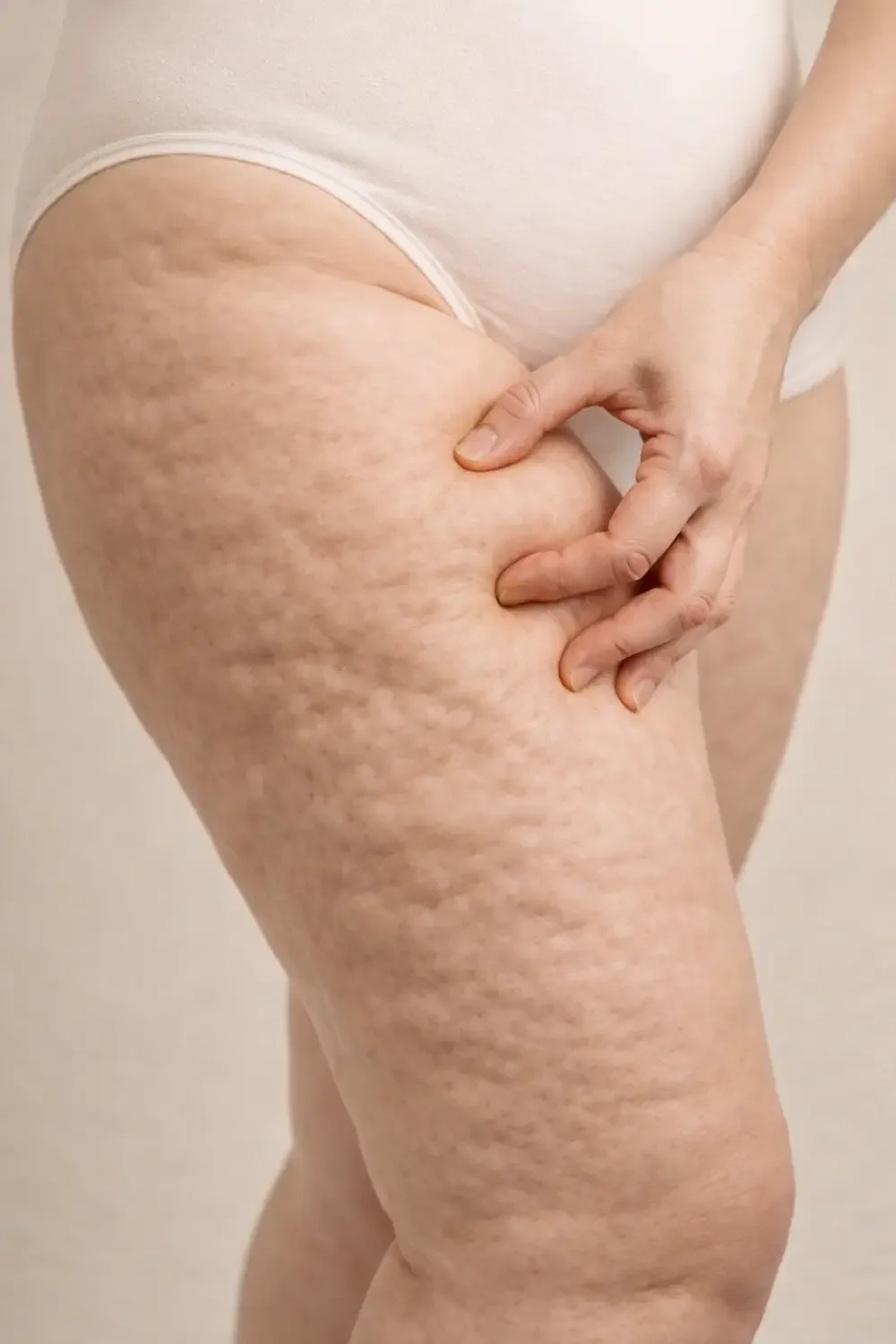
For many women, pregnancy and childbirth bring incredible joy but also unexpected changes in the body. Some new mothers notice persistent swelling, tenderness, or disproportionate fat in the legs and hips after a C-section. In some cases, this may actually be lipedema: a chronic condition that affects fat distribution and lymphatic flow.
At Thera Physical and Occupational Therapy in Midtown Manhattan, we often see patients navigating postpartum lipedema. Early recognition and rehabilitation, including manual lymphatic drainage, compression therapy, and pneumatic pumps, can make a significant difference in comfort, mobility, and long-term health.
What Is Lipedema?
Lipedema is a disorder of fat metabolism and lymphatic flow that primarily affects women. It commonly presents in the legs, hips, and sometimes arms, and is characterized by:
Disproportionate fat accumulation, usually from the waist to the ankles
Tenderness or pain in affected areas, often out of proportion to appearance
Easy bruising
Swelling that worsens during the day or with prolonged inactivity
Unlike regular weight gain, lipedema fat does not respond to diet or exercise. This is a key distinguishing feature that often leads to years of misdiagnosis. Postpartum hormonal shifts, including those following a C-section, can trigger or significantly worsen symptoms.
Why Lipedema Can Appear or Worsen After a C-Section
Pregnancy and surgery both place significant demands on the body’s lymphatic and vascular systems. Several factors make the postpartum C-section period a particularly vulnerable window for lipedema onset or progression:
Hormonal changes: Elevated estrogen during pregnancy promotes fat storage in typical lipedema areas.
Fluid retention: Post-surgical swelling can compound existing lymphatic congestion.
Reduced mobility: C-section recovery limits activity, which impairs lymph flow.
Scar tissue and abdominal changes: Surgical trauma affects posture and fluid dynamics, contributing to swelling in the legs and hips.
For some women, lipedema symptoms become noticeable for the first time after childbirth — particularly following a C-section. Early identification is critical.
Signs You May Have Postpartum Lipedema
If you notice any of the following after your C-section, consider speaking with a specialist:
Disproportionate fat in the thighs, hips, or calves that seems unrelated to overall weight
Legs that feel heavy, tender, or achy, especially at the end of the day
Swelling that does not fully resolve with rest or elevation
Easy bruising or heightened skin sensitivity
Difficulty with mobility or returning to exercise
Early intervention is key to managing symptoms and preventing progression. If you’re unsure whether what you’re experiencing is lipedema or general postpartum swelling, reaching out to our team for an evaluation is a good first step.
How Rehabilitation Helps Postpartum Lipedema
While lipedema cannot be fully reversed without specialized surgical procedures, a comprehensive rehabilitation approach can meaningfully reduce symptoms and prevent progression. At Thera, our program for lipedema combines:
-
Gentle, hands-on lymphatic drainage therapy stimulates lymph flow, reduces swelling, and relieves discomfort. MLD is performed by our Certified Lymphedema Therapists (CLTs) using precise, light techniques adapted for postpartum patients.
-
Custom-fitted compression stockings or sleeves help maintain reduced swelling, support lymphatic flow throughout the day, and relieve the heaviness and tenderness characteristic of lipedema. Our therapists provide expert compression garment assessment and fitting to ensure the right garment for your stage of recovery.
-
These devices provide intermittent, gentle pressure to the legs or arms, mimicking the natural pumping action of muscles to move lymph fluid efficiently, decrease swelling, and complement manual therapy. Pneumatic pumps are particularly useful for patients who need ongoing support between clinic sessions.
-
Targeted exercises strengthen the muscles that support lymphatic flow, improve mobility, and address posture or scar tissue issues. This is especially important after a C-section, where core strength, abdominal function, and posture are all affected by surgery.
-
Our rehabilitation also directly addresses the physical consequences of the C-section itself:
Scar tissue mobilization to prevent adhesions and abdominal tightness
Core strengthening tailored to post-surgical timelines
Posture and gait correction to address compensation patterns
Steps to Take if You Suspect Postpartum Lipedema
Get evaluated by a specialist familiar with lipedema and postpartum changes. A consultation at Thera includes a full assessment of your symptoms, swelling, mobility, and risk factors.
Start lymphatic-friendly rehabilitation early, including MLD, compression garments, and pneumatic pumps.
Incorporate gentle movement to stimulate circulation, guided by your therapist.
Monitor your symptoms over time and keep your care team informed of any changes.
Why NYC Patients Choose Thera for Lipedema and Postpartum Care
At Thera in Midtown Manhattan, we combine post-C-section rehabilitation with lymphatic and lipedema-specific therapies. Our approach is delivered by Certified Lymphedema Therapists with deep experience in postpartum lymphatic care, compression management, and functional recovery.
Our program includes:
Manual lymphatic drainage (MLD) by Certified Lymphedema Therapists
Physical and occupational therapy tailored to postpartum patients
Compression garment assessment, fitting, and ongoing monitoring
Pneumatic compression pump therapy for ongoing lymphatic support
Scar tissue and abdominal rehabilitation after C-section
Personalized exercise programs designed around your healing timeline
With early intervention, many patients notice decreased swelling, improved comfort, and better mobility. Learn more about our team of specialists and how things work at Thera.
The Bottom Line
Persistent swelling, tenderness, or disproportionate fat after a C-section are not “just postpartum changes” to wait out. They may indicate a chronic condition that benefits from targeted, specialized care.
By combining lymphatic-focused rehabilitation, compression garments, pneumatic pumps, and physical therapy, patients can improve comfort, prevent progression, and feel more confident in their bodies.
Contact our team today to schedule an evaluation and take the first step toward feeling better.
Frequently Asked Questions
-
Yes. Hormonal changes, surgery-related swelling, and reduced mobility during C-section recovery can trigger or significantly worsen lipedema symptoms in women who may have had a predisposition. Some women notice lipedema for the first time postpartum.
-
Regular postpartum swelling typically resolves within a few weeks and responds to rest and elevation. Lipedema swelling is persistent, often painful, disproportionate to overall body weight, and does not fully resolve with rest. If swelling is not improving several weeks postpartum, it’s worth speaking with a specialist.
-
Yes. When performed by a trained therapist, MLD is gentle and safe even during early postpartum recovery. Our therapists adapt technique based on your surgical timeline and healing stage.
-
Yes. Properly fitted compression garments help maintain reduced swelling, support lymph flow throughout the day, and relieve the characteristic heaviness of lipedema. Our therapists provide individualized assessment and fitting — not a one-size-fits-all approach.
-
A pneumatic compression pump is a device that applies gentle, rhythmic pressure to the legs or arms, mimicking the natural pumping action of muscles to move lymph fluid. It complements manual therapy and compression garments, and is particularly useful for ongoing maintenance between clinic visits.
-
As soon as your surgeon clears you for gentle movement, early intervention is ideal. The sooner lymphatic care begins, the more effectively we can manage swelling and prevent progression. Reach out to our team to discuss timing based on your specific situation.