
I’m a Physical Therapist Who Had Breast Cancer, and Recovery Was Harder Than Treatment
Author: Sabrina Vaishnavi
Sabrina Rana Vaishnavi, MPT CLT | Co-Founder, Thera Physical and Occupational Therapy
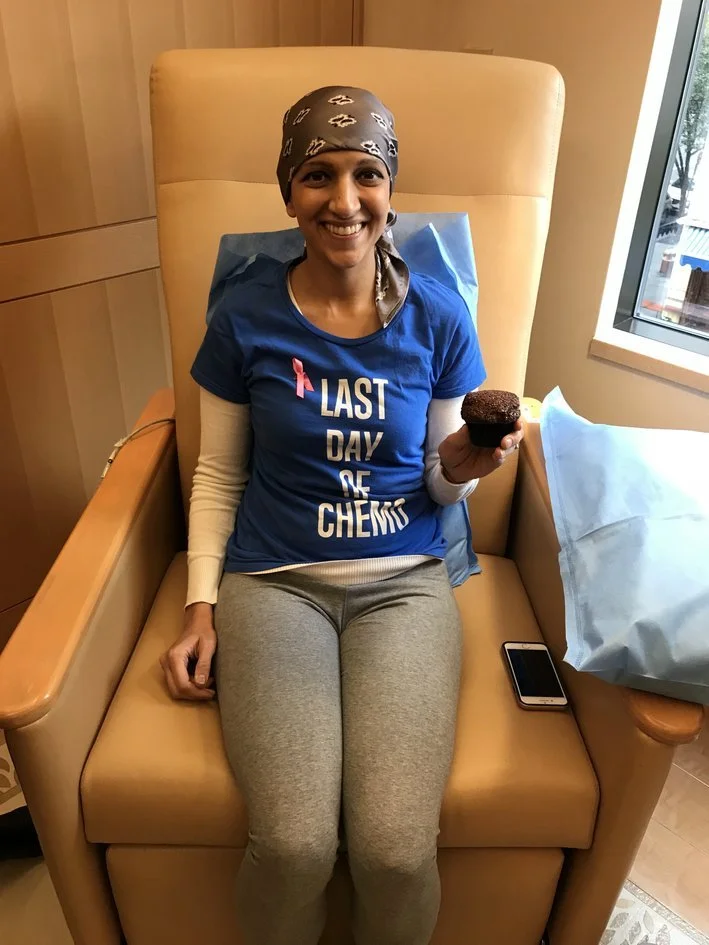
I was 37 years old when I was diagnosed with triple-negative breast cancer.
Like many patients, I braced myself for what I thought would be the hardest part: chemotherapy, surgery, and everything that comes with active treatment. I prepared mentally and physically for that phase, telling myself that once treatment was over, I would be on the other side of the hardest part.
But that’s not how it unfolded.
The truth is, recovery was harder than treatment.
What No One Told Me About Life After Treatment
After my surgeries, I started experiencing symptoms no one had prepared me for — swelling, tightness, and pain that affected how I moved through my daily life. These weren’t minor inconveniences. They impacted my ability to function, to feel like myself, and to move forward.
What made it even harder was that no one had really talked to me about these symptoms ahead of time. I didn’t know what was normal. I didn’t know what was treatable. And I didn’t know that there were professionals who could actually help.
So I did what many patients end up doing, I started advocating for myself.
I asked questions. I pushed for answers. And eventually, I found the right care.
When I finally received proper rehabilitation support, it made a profound difference. My symptoms improved. I felt more in control of my body. And, maybe most importantly, I no longer felt alone in what I was experiencing.
That moment was a turning point for me.
The Part That Still Surprises People
Because here’s the part that still surprises people: I’m a physical therapist. I had spent nearly two decades helping patients recover from injuries and surgeries. And yet, when it came to my own breast cancer recovery, I still wasn’t fully prepared for what that process would look like.
That realization opened my eyes in a completely new way.
Recovery after breast cancer isn’t just about healing from surgery — it’s about managing the physical and emotional changes that come with it. It’s about addressing issues like swelling, restricted movement, and pain early, before they become bigger problems. And it’s about having the right support system in place from the very beginning.
What I Wish I Had Known Before Surgery
Looking back, there are so many things I wish I had known before surgery.
I wish I had known that recovery doesn’t start after treatment — it should start at diagnosis.
I wish I had known that symptoms like tightness, swelling, and discomfort are common, but they’re also treatable.
I wish I had known that I didn’t have to navigate that phase alone.
Most of all, I wish I had known how much of a difference early rehabilitation could make.
Why We Built Thera
That experience ultimately led me to connect with Megan, my co-founder of Thera. As we shared our experiences, it became clear that we had the same vision: no patient should feel alone or unprepared when it comes to recovery.
We created Thera to change that — to make sure patients have access to guidance, support, and care from the very beginning, not just after problems arise.
Because recovery shouldn’t be reactive. It should be proactive.
What I Want Every Patient to Know
If you’re newly diagnosed or preparing for breast cancer surgery, here’s what I want you to know:
Ask about recovery early. Build your support team before you think you need it. And don’t ignore symptoms like swelling, tightness, or pain — they matter, and help is available.
You don’t have to wait until something feels wrong to start taking care of yourself. Rehabilitation can begin before treatment starts — and the earlier it does, the more it can protect you from the complications that are hardest to undo.
I didn’t know that at the time.
But I do now, and it’s something I wish every patient knew from the start.