What Lymphatic Drainage Actually Does After Liposuction And Why Your Provider Matters
Individuals undergoing liposuction to optimize body contour and cosmetic outcomes often anticipate a smooth recovery and noticeable improvement in the treated areas. However, even when all post-operative recommendations are followed—such as wearing a compression garment, limiting activity, and attending follow-up appointments—it is common to experience persistent swelling, areas of firmness, or results that do not yet reflect the expected contour.
During the healing process, the body undergoes significant internal changes. Swelling (edema) and localized firmness can occur as fluid accumulates and tissues adapt following the procedure. In some cases, the lymphatic system—the network responsible for moving excess fluid and metabolic waste out of the tissues—may require additional support to function optimally after surgery.
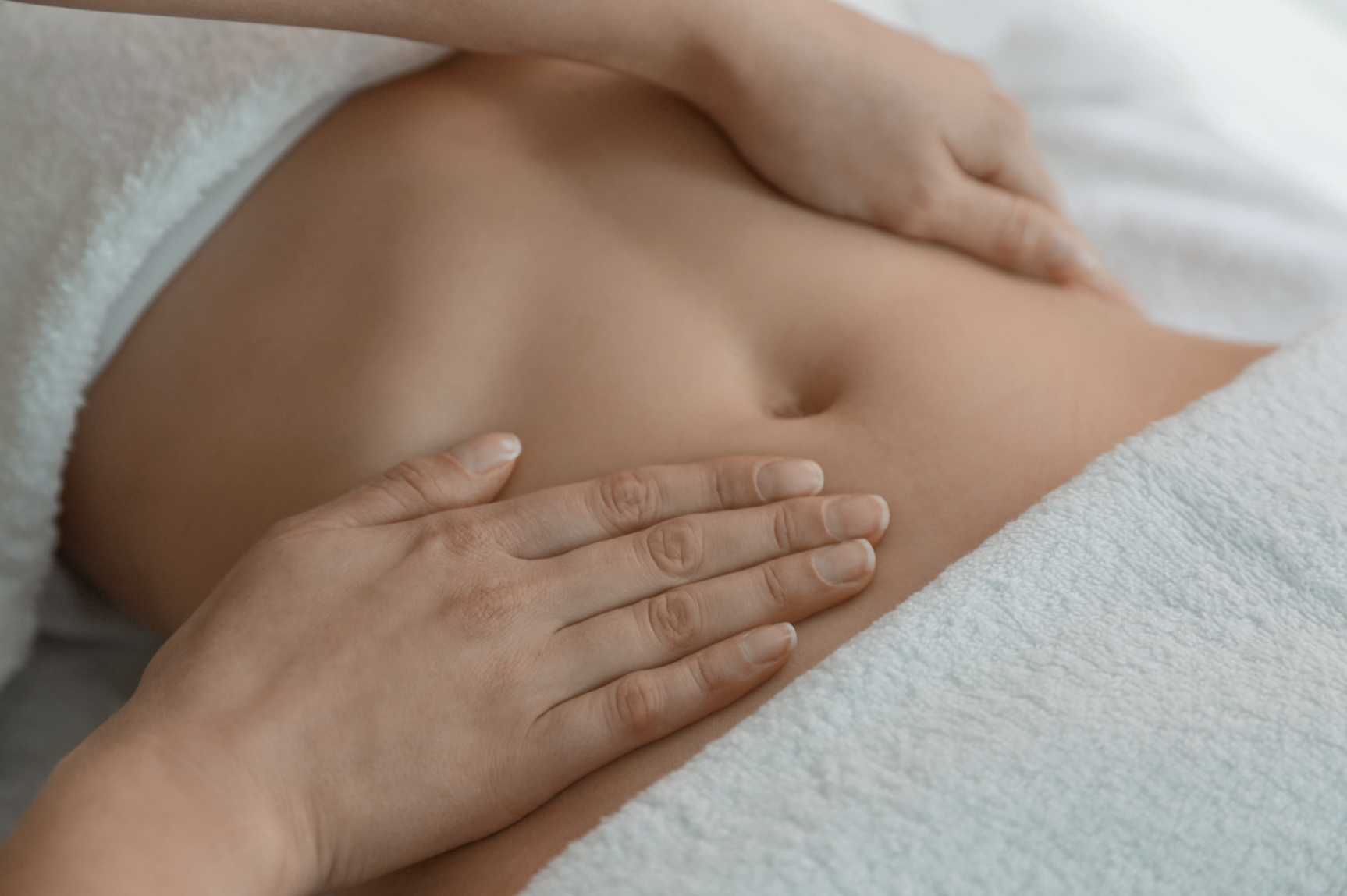
For this reason, many surgeons recommend Manual Lymph Drainage (MLD) as part of post-liposuction care. This specialized form of gentle therapeutic massage is designed to stimulate the lymphatic system, encourage the movement of retained fluid, and reduce inflammation. When performed by a trained professional, lymphatic drainage can help soften hardened areas, decrease swelling, and support a more even, refined contour as the body continues to heal.
Despite its potential benefits, many patients hear the term “lymphatic drainage” without receiving a clear explanation of what it involves or where to obtain the treatment. As a result, individuals recovering from liposuction are often left searching for reliable information and qualified providers who specialize in post-surgical lymphatic therapy.
Understanding the role of lymphatic drainage in the recovery process can help patients make informed decisions about their post-operative care and support a smoother path toward achieving their desired results.
What Liposuction Does to Your Lymphatic System
Liposuction involves the removal of subcutaneous fat through specialized surgical instruments. This process can impact the surrounding lymphatic vessels, microcirculation, and connective structures. The body typically responds to these changes by directing fluid to the treated area to support the initial healing phase.
Post-operative swelling may occur when the lymphatic system cannot immediately drain this supplemental fluid with its usual efficiency. Fluid can accumulate in the interstitial space between cells and tissues. This buildup might produce the sensations of heaviness or firmness that patients notice during the first several weeks of recovery.
Some recovery protocols are designed to support the body during this window. Persistent, unaddressed swelling might increase the risk of developing fibrosis, which can present as irregular or firm tissue beneath the skin. Supporting the lymphatic system may help maintain smooth contours and overall tissue comfort.
What Manual Lymph Drainage Is
Manual Lymph Drainage uses light, rhythmic strokes, along specific lymphatic pathways, to redirect accumulated fluid toward intact lymph nodes, where it can be processed and cleared by the body. Unlike traditional massage, MLD works at the surface of the skin and just beneath it.
The technique follows the anatomical architecture of the lymphatic system. A trained therapist maps where disruption has occurred, identifies intact drainage pathways, and applies specific sequences to move fluid efficiently through the system.
The Benefits of Lymphatic Drainage After Liposuction
Manual Lymphatic Drainage is a common component of surgical aftercare. This technique focuses on supporting the body's natural recovery processes through several mechanisms.
Therapy may offer the following benefits:
Reduces Swelling and Edema: MLD directly addresses the fluid accumulation responsible for post-surgical edema. By activating lymphatic flow toward functioning lymph nodes, it reduces fluid volume in treated areas — often visibly, and within the first few sessions.
Prevents and Treats Fibrosis: When excess fluid and cellular debris are not efficiently cleared, the body begins laying down fibrous tissue (hard, irregular deposits under the skin that create uneven texture and alter contour). Early MLD interrupts this process. For patients who have already developed fibrotic tissue, manual therapy combined with scar mobilization techniques can reduce density and restore smoothness over time.
Improves Contour and Supports Skin Contraction: One of the less intuitive benefits of lymphatic drainage after liposuction is its role in supporting how the skin settles over the treated area. Healthy lymphatic flow supports microcirculation and the tissue environment during healing, which helps the skin adapt more smoothly to the underlying structures after fat removal. By optimizing these conditions, MLD may contribute to more even contouring as swelling resolves.
Reduces Discomfort and Restores Function: Swelling and fluid retention create pressure on surrounding tissue. That pressure translates to discomfort, tightness, and restricted movement. As MLD reduces fluid volume, patients typically feel significantly lighter and less restricted. Therapeutic exercise, integrated into Thera's recovery programs alongside MLD, helps restore functional movement and supports long-term tissue health.
Why a Physical or Occupational Therapist Performs MLD Differently
Post-operative recovery services exist on a broad spectrum of clinical scope. Licensed physical and occupational therapists provide a distinct level of care compared to standard aesthetic or massage-based recovery centers. While PT and OT programs provide a medical foundation, specialized MLD is a separate post-graduate certification. Thera practitioners hold the Certified Lymphedema Therapist (CLT) credential to ensure a high standard of clinical expertise.
A therapist trained in post-surgical rehabilitation performs a comprehensive clinical assessment before beginning any manual technique. This evaluation monitors the healing trajectory and identifies how skin and underlying tissues respond to the procedure. Practitioners can recognize early indicators of unusual tissue firmness or potential fibrosis and create a treatment plan to keep healing on track.
Thera integrates MLD into a full recovery and comprehensive recovery model:
Specialized Manual Lymph Drainage: Performed by Certified Lymphedema Therapists (CLT).
Compression Guidance: Professional fitting and ongoing adjustments for surgical garments.
Tissue Management: Targeted strategies for scar and potential fibrotic tissue.
Therapeutic Exercise: Movement protocols introduced as the healing stage allows.
Individualized Care: One-on-one sessions exclusively with a licensed practitioner.
This complete recovery plan is designed to help expedite results and support the specific goals of your procedure.
What to Expect at Thera
Thera is a Physical and Occupational Therapy practice in Midtown Manhattan specializing in post-surgical rehabilitation, lymphatic care, and breast health. Every session is one-on-one and approximately one hour, and tailored to what that individual patient needs at that stage of recovery.
A first visit begins with a comprehensive assessment: a review of your procedure, your current healing status, areas of concern, and any swelling or fibrosis that has developed. From that assessment, a treatment plan is built. Six to twelve sessions is a typical range, though individual needs vary.
You do not need to wait for a physician's referral to begin. New York State Direct Access allows patients to start physical or occupational therapy for the first 10 visits or 30 days (whichever comes first) without a prescription. After that period, a PT or OT script from a physician is required.
Frequently Asked Questions
Is lymphatic drainage after liposuction painful?
Most patients describe sessions as soothing and relieving. Some mild tenderness in treated areas is normal in the early post-surgical period, but the massage itself should not cause significant pain
How many sessions of lymphatic drainage do I need after liposuction?
Most patients benefit from 3 to 12 sessions, with greater frequency in the first four to six weeks post-surgery (often 2 to 3 sessions per week), tapering as healing progresses. The right number depends on the extent of your procedure, your body's healing response, and whether fibrosis has developed. A clinical assessment at the first session guides the plan.
Can I do lymphatic drainage on myself at home?
Basic self-drainage techniques are a useful supplement to clinical sessions, and a Thera therapist can teach you how to perform them correctly. However, self-massage does not replicate clinical MLD Home techniques work best as maintenance between sessions, not as a replacement for them.
Do I need a referral to see Thera?
No. New York State Direct Access allows you to begin physical or occupational therapy directly for your first 10 visits or 30 days without a prescription. If your surgeon has cleared you for massage therapy, you can book without waiting for an additional referral.
Ready to Start Recovering Well?
Thera’s therapists specialize in post-surgical rehabilitation for patients recovering from liposuction, abdominoplasty, body lifts, and mommy makeovers. Our comprehensive services include Manual Lymph Drainage, compression garment guidance, scar and fibrosis management, and therapeutic exercise. We provide individualized, one-on-one sessions at our Midtown Manhattan clinic or through our concierge rehab services in the comfort of your own home.
We serve patients throughout the Tri-State Area with no referral required to begin. Please do not hesitate to reach out if your results are not meeting your expectations or if you want to give your recovery every clinical advantage from the start. We are here to support your recovery and help you achieve your physical goals.