
Milk Blebs and White Spots: What They Are and How to Resolve Them
Author: Sabrina Vaishnavi
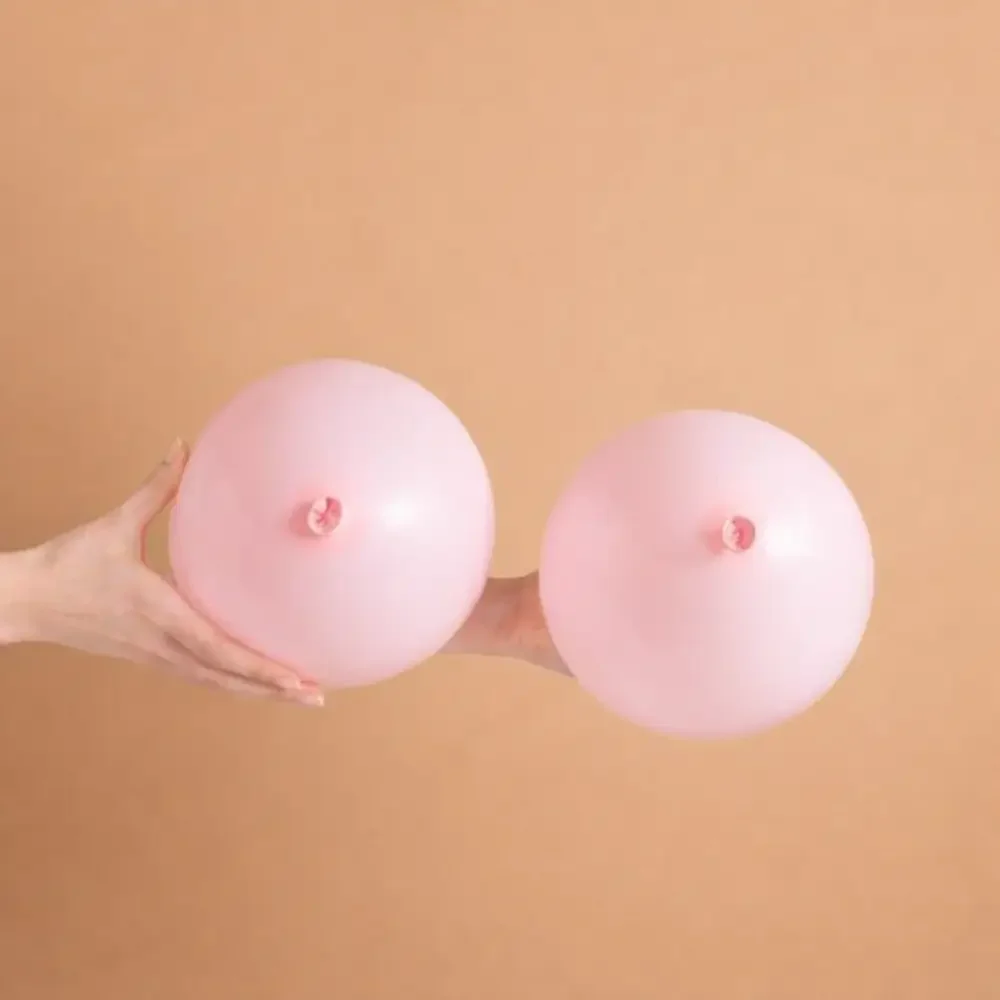
A milk bleb, also called a nipple bleb or white spot, is a painful raised spot on the nipple that blocks one or more milk duct openings. It is not just a piece of hardened milk or a skin issue. It is a sign that inflammation inside the breast has reached the surface.
Understanding what a milk bleb actually is changes how you treat it, and what to do when home care is not enough.
What Is a Milk Bleb?
A milk bleb forms when inflammatory cells, fats, and debris from inside the milk ducts build up at the nipple opening and create a raised, blister-like blockage.
This matters because it changes how you should treat it. A milk bleb is not caused by skin growing over the duct, the way older resources sometimes describe it. According to ABM Clinical Protocol #36, blebs are part of the mastitis spectrum, meaning they reflect the same underlying inflammatory process that drives clogged ducts and mastitis. They are different stages of the same problem, not separate conditions.
This is why treating only the white spot on the surface, without addressing the inflammation behind it, often leads to recurrence.
White Spot on Nipple While Breastfeeding: What to Look For
A milk bleb typically appears as a white, yellow, or clear raised dot directly on the nipple or areola. The pain is often sharp, burning, or a stabbing sensation behind the nipple, and it tends to be worse during feeding.
Other signs that often come with a bleb include a tender area in the breast behind the spot, less milk flow from that side, and sometimes skin that looks red or irritated around the nipple. Some women also feel a lump in the breast on the same side.
A milk bleb is not the same as a friction blister from a poor latch or an ill-fitting pump flange. Friction blisters come from mechanical irritation and usually clear up when the source of friction is fixed. Blebs come from internal inflammation and tend to be more persistent.
Why Milk Blebs Keep Coming Back
If you keep getting milk blebs, it means something in the inflammation picture has not been fully resolved.
The most common reasons are the following.
Milk is not draining well. When milk is not fully removed during feedings or pumping, it creates pressure in the breast and triggers inflammation in the surrounding tissue. That inflammation produces the debris that surfaces as a bleb.
Oversupply. Producing significantly more milk than your baby takes keeps the ducts under pressure and makes inflammation more likely.
Pump fit or settings. An ill-fitting flange, incorrect suction settings, or pumping too often can irritate the nipple tissue and create conditions where blebs keep forming.
Disrupted breast microbiome.Research has found connections between changes in the bacterial environment of the breast and recurring blebs, particularly in women who had a cesarean birth or who pump exclusively.
Inflammation that never fully cleared. If the inflammation inside the breast is not treated, the bleb tends to come back even after the visible spot resolves. Treating only the surface is why recurrence is so common.
How to Treat a Milk Bleb: What Actually Helps
The goal of milk bleb treatment is not to open or remove the bleb. It is to reduce the inflammation driving it and let the duct drain on its own.
This is a significant change from older advice that recommended using a needle or pin to pierce the spot. Breaking the skin at the nipple creates an open wound, raises the risk of infection, causes more inflammation, and can lead to permanent scarring at the nipple opening. If a bleb keeps coming back, piercing it is not the answer.
What works for a mild, first-time bleb:
Cold therapy to bring down the localized inflammation. Current clinical protocols favor cold over heat for blebs because heat can increase inflammation in the surrounding tissue.
Gentle nursing or pumping to let the natural pressure of milk flow clear the duct opening. Positioning your baby so their chin points toward the tender area to help drain that part of the breast.
Sunflower lecithin, which may help thin the fats in the milk and reduce the buildup that contributes to bleb formation, though the evidence is limited.
What does not help and can make it worse:
Vigorous massage directly on the breast or bleb. Deep pressure increases inflammation and can cause bruising or tissue damage.
Repeatedly piercing the bleb with a needle carries infection risk and promotes scarring.
We current use evidence-based protocols to help guide our practice.
How Manual Lymphatic Drainage Helps with Milk Blebs
Manual lymphatic drainage, or MLD, is a targeted clinical approach for reducing the breast inflammation that causes milk blebs. It works differently from massage, and it is different from anything you can do at home.
How MLD Works
Your lymphatic system runs throughout the breast and is responsible for clearing fluid, waste, and inflammatory cells from the tissue. When inflammation fluid and inflammatory debris build up, making the blockage worse, and create the conditions that form a bleb at the nipple surface.
MLD uses a precise sequence of light, rhythmic strokes on the skin of the breast, chest, and underarm area. The technique works in a specific order: it opens the lymph nodes in the armpit, collarbone area, and neck before addressing the breast itself, clearing the pathway so that fluid can move away from the congested area. The pressure used is much lighter than any standard massage, closer to the weight of a resting hand.
What MLD Does for Milk Blebs
Reduces the buildup of inflammatory fluid in the breast tissue around the blocked duct, which is what drives bleb formation in the first place.
Brings down swelling in the breast, which takes pressure off the ducts and lets milk flow more freely.
Helps clear the inflammatory cells and debris from the tissue, the material that surfaces as the bleb itself.
Supports the lymphatic vessels in getting back to their normal drainage function, which makes it less likely the bleb will come back in the same spot.
Provides significant pain relief, often within a single session.
A trained therapist also uses targeted techniques to clear the duct pathway, working from the outer areas of the breast toward the nipple in a sequence that supports milk flow. You will be taught how to continue a simplified version of this work at home between sessions, because consistent daily care between appointments is part of what keeps the bleb from coming back.
Therapeutic ultrasound is often used alongside MLD for blebs and clogged ducts. It uses sound waves to reach deeper into the breast tissue, increase circulation, reduce inflammation, and help break up debris inside the duct. The Brigham and Women's Hospital standard of care for physical therapy treatment of blocked milk ducts identifies therapeutic ultrasound followed by manual therapy as the clinical approach for persistent or recurring cases.
When to See a Specialist for a Milk Bleb
Most first-time blebs in otherwise healthy breastfeeding women can be managed at home. A specialist visit makes sense when any of the following apply:
The bleb has not cleared after five to seven days of consistent home care.
The same bleb has come back multiple times.
You have a bleb along with a hard, painful lump in the breast and flu-like symptoms, which can indicate that mastitis is developing.
You have had blebs in multiple spots.
You have significant breast pain beyond the nipple area.
You are thinking about stopping breastfeeding because of the pain or how often this keeps happening.
Inflammation that is addressed early is easier to resolve than inflammation that has been building for weeks. If you are at the point of considering stopping breastfeeding because of pain, that is the right time to reach out, not a sign that breastfeeding cannot continue.
Milk Bleb Treatment at Thera
At Thera, milk bleb and clogged duct treatment is part of a specialized breast rehabilitation program. This is not general physical therapy with a lactation component added on. Breast rehabilitation is the focus of the practice, which means every assessment and treatment is specific to what you need.
Your first session starts with a full evaluation, the location and nature of the bleb, any duct tenderness, and your feeding or pumping routine. Treatment combines manual lymphatic drainage, targeted ductal clearance techniques, and therapeutic ultrasound when appropriate. You will leave with a home program that supports the work between sessions.
Most patients with a single uncomplicated bleb see resolution in one to two sessions. Recurring or more complex cases may require more. Thera's therapists see patients at their Midtown Manhattan clinic or within the patient’s home throughout the Tri-State Area. No referral needed. New York State Direct Access allows you to book directly for your first 10 visits.
Frequently Asked Questions
-
A white spot on the nipple during breastfeeding is most commonly a milk bleb. It can also be a friction blister from latch or pump issues. The difference is that blebs are typically more painful, more persistent, and accompanied by tenderness in the breast tissue behind the nipple. If the spot is painful and does not clear within a few days of nursing or pumping, it is likely a bleb.
-
The most effective approach for a mild bleb is to reduce the inflammation driving it, not to open or remove the spot. Cold compresses on the nipple, continued gentle nursing or pumping, and good feeding positioning can help. Do not use a needle to pierce the bleb; it increases the risk of infection and can cause scarring. If you need extra help at home check out our in-home therapy treatment options.
-
Yes. MLD addresses the inflammatory fluid buildup in the breast tissue that drives bleb formation. Clearing the lymphatic pathway in the armpit, chest, and breast reduces swelling, helps clear the inflammatory debris, and supports normal milk flow. It is the most effective clinical option for both resolving an active bleb and preventing it from coming back.
-
No. New York State Direct Access allows you to start physical or occupational therapy without a physician's referral for your first 10 visits or 30 days, whichever comes first. If you have a provider involved in your postpartum care, your Thera therapist will coordinate with them and share progress notes.
Your Breastfeeding Journey Is Worth Protecting
Pain and recurrence are not just part of breastfeeding. A milk bleb is a signal that inflammation in the breast needs to be addressed, and clinical treatment exists for exactly that.
Contact Thera to book your first session. No referral needed.