
What Is Axillary Web Syndrome (AWS)? Signs, Symptoms & Treatment
Author: Megan McCarthy
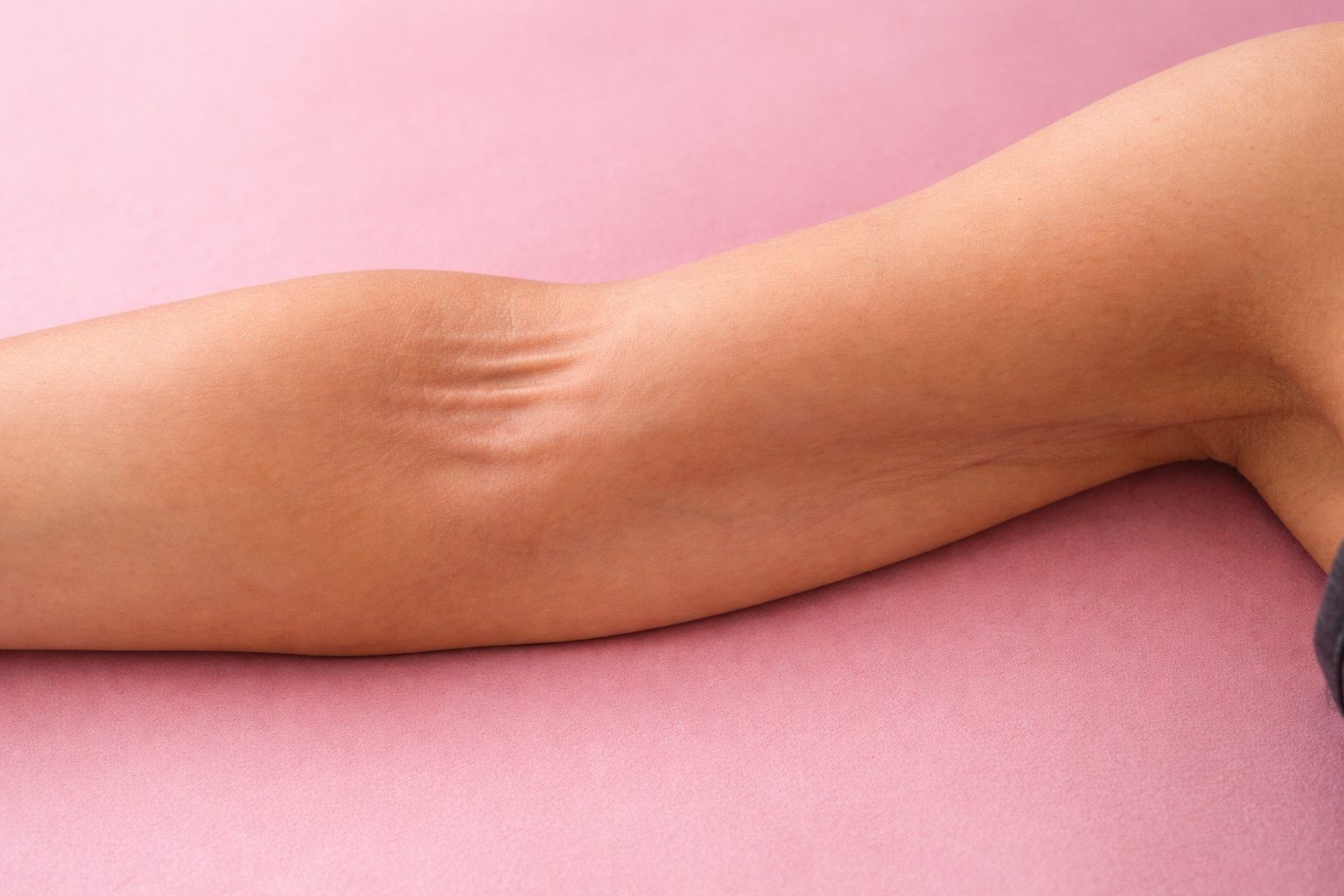
If you've recently had surgery involving your breast, lymph nodes, or upper chest — especially after a mastectomy, lumpectomy, or sentinel lymph node biopsy — and you suddenly feel a tight, rope-like sensation under your arm, you might be experiencing Axillary Web Syndrome (AWS), more commonly called cording.
Despite how frequently it occurs, many patients are not educated about AWS before or after surgery. The good news? It is well understood, highly treatable, and something our team at Thera works with regularly as part of ourbreast cancer rehabilitation programs.
What Is Axillary Web Syndrome?
Axillary Web Syndrome is a common condition that can occur in up to 86% of patients following breast cancer surgery with lymph node removal. It presents as a single cord or multiple thin cords in the tissues of the underarm area, which may extend down the arm and along the chest wall, frequently resulting in limited shoulder movements.
In simple terms, AWS feels like a tight cord or band running from the armpit, sometimes stretching down the inner arm toward the elbow or wrist, or extending into the chest wall. There may be one large cord or several smaller ones. You can usually feel these rope-like structures under your arm, though in some cases you may not see or feel the cords themselves — instead, a pulling sensation and tightness signal their presence.
Axillary Web Syndrome Signs and Symptoms to Watch For
You may be experiencing AWS if you notice:
A visible or palpable cord or band under your armpit
Pain or tightness when lifting your arm
Restricted range of motion, especially with overhead movement
A pulling or tugging sensation during stretching
Pain radiating down the inner arm, elbow, or forearm
Cording that extends toward the wrist or into the chest wall
AWS most frequently becomes symptomatic between two and eight weeks after surgery, but it can also develop and recur months or even years later.It’s common for symptoms to show up suddenly once post-op swelling subsides. Because this happens after the initial healing phase, it often catches patients off guard.
Why Does It Happen?
AWS most commonly occurs after:
Breast cancer surgery (mastectomy or lumpectomy)
Lymph node removal or biopsy (including removals or biopsies)
Radiation therapy directed at the underarm (axilla)
While the exact cause isn't fully understood, AWS is considered a physical response in the lymphatic system and connective tissue (fascia) to the trauma of surgery or radiation.
When these tissues are disrupted, they can become tight, or "stuck" to nearby structures. This creates the painful, rope-like cords that restrict your range of motion and make stretching feel difficult.
Is Axillary Web Syndrome Dangerous?
While Axillary Web Syndrome is not life-threatening, it can impact your comfort, mobility, and overall quality of life during your recovery.
Although sometimes axillary web syndrome self resolves, persistent tightness and pain may lead to:
Mobility issues: Permanent restrictions in your arm’s range of motion.
Compensatory pain: Persistent discomfort or "guarding" (holding your body in a stiff position to avoid pain).
Secondary complications: An increased risk of developing conditions like frozen shoulders.
Treatment delays: Potential delays in starting or completing other necessary treatments, such as radiation therapy, which often requires you to lift your arm above your head.
How Is Axillary Web Syndrome Treated?
The good news is that with early professional guidance, most patients see significant improvement and can avoid these long-term hurdles.
At Thera, our approach to AWS is part of our broaderbreast cancer rehabilitation andscar management programs, tailored to exactly where you are in your recovery.
Treatment may include:
Manual Therapy: Gentle hands-on techniques, including myofascial release and soft tissue mobilization, to help reduce cord tightness and restore movement. Our Certified Lymphedema Therapists (CLTs) are trained in the specific techniques most effective for AWS.
Stretching and Range of Motion Exercises: Gradual, progressive stretching improves flexibility and reduces the pulling sensation. These exercises are always guided, never forced — and always pain-informed.
Scar Tissue Mobilization: Addressing scar flexibility and reducing adhesions around the surgical site can relieve tension on surrounding tissues and the cords themselves. Learn more about our approach toscar management and soft tissue adherence.
Lymphatic Care: Manual lymphatic drainage techniques can reduce discomfort during rehabilitation and support overall recovery, particularly for patients also managing or at risk forlymphedema.
One important note: Attempting to forcefully "snap" or "break" the cord yourself can increase inflammation and cause further damage. Professional guidance is strongly recommended.
How Long Does AWS Recovery Take?
With proper treatment, most cases of AWS improve significantly within a few weeks. Many resolve completely within one to three months, though recovery may take longer if treatment is delayed. Early intervention is the most effective way to ensure a faster recovery.
Key Takeaways
Axillary Web Syndrome (AWS) is a common and highly treatable complication following breast or lymph node surgery
Common signs to monitor include visible cords, restricted movement, and underarm pain
A combination of manual therapy and guided exercise is essential for effective treatment
Prioritizing early intervention and rehabilitation significantly improves recovery outcomes.
Ready to Get Help With AWS?
At Thera, we specialize in breast cancer rehabilitation, lymphedema treatment and prevention, and scar and soft tissue management — all in individualized, one-on-one sessions in Midtown Manhattan, serving patients throughout the Tri-State Area.
If you are experiencing pain, tightness, or cording after breast or lymph node surgery, you don't have to push through it alone. Recovery is possible, and we'll guide you every step of the way.
Schedule a session today with Thera, located in Midtown Manhattan.