
Mastitis Treatment
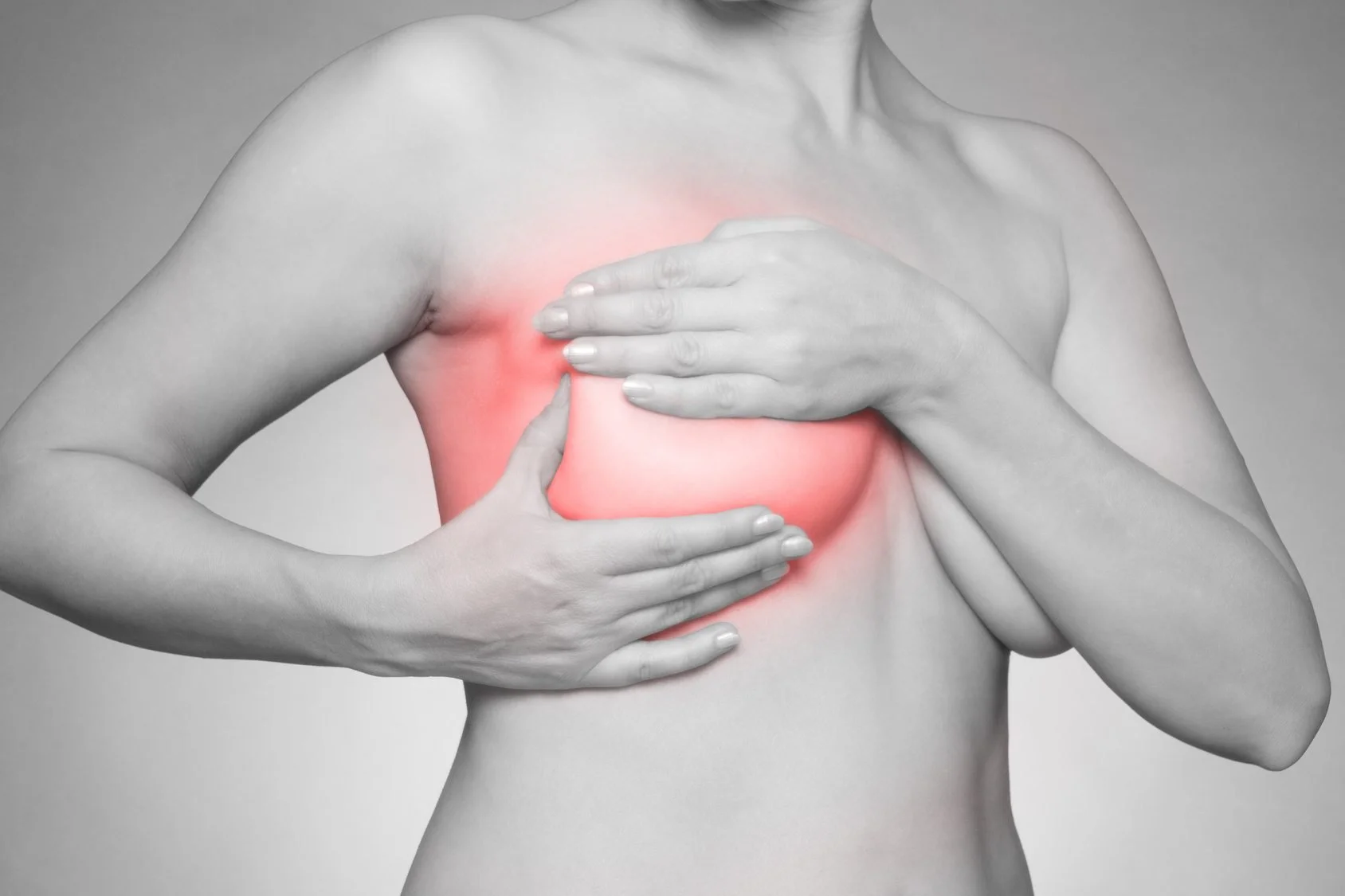
As you must know by now, breasts are complicated — and they can cause pain that you wouldn’t wish upon your worst enemy.
Mastitis is something new moms want to avoid at all costs. You are already exhausted, your baby is hungry, and now you are in dire pain.
If you catch it early (within the first 24–48 hours), antibiotics may be able to be avoided. Mastitis is defined as inflammation of the breast, not an infection. However, if ignored, it can turn into one quickly.
If you Google mastitis, there is a lot of contradicting information, which makes the situation even worse. This is one reason why I started Breasthab — to provide the necessary services and techniques, and to give you the correct information to put in your toolbox to stop mastitis from happening again.
If you are unsure whether what you are feeling is early mastitis, a clogged duct, or simple engorgement, scheduling a consultation with our team can help you intervene early and potentially avoid complications.
One thing that separates therapy services from others that deal with mastitis is that we have mastered manual techniques. There are two types of manual work needed:
One to deal with the congested duct
Another to get rid of the breast inflammation
Two different systems need to be considered:
The lymphatic system surrounding the breast
The mammary glands to empty the breast of milk
Remember, the main goal in order to get rid of mastitis should be to empty the breast of milk and to reduce swelling.
Another thing to consider is the correct application of heat and ice. Legitimate resources state the use of heat helps mastitis. Yes, it does help to stimulate production and open ducts, but it can increase inflammation at the same time.
If you feel mastitis coming on, try ice as the first defense (especially if you tend to overproduce or have engorgement). When you are about to feed, switch to heat for 10 minutes, feed, then ice for 10 minutes after.
Give this a try and it may make a big difference. However, everyone is a little different, so it is important to listen to your body and stay in tune with how it responds to heat or ice.