
Understanding Your Breasts
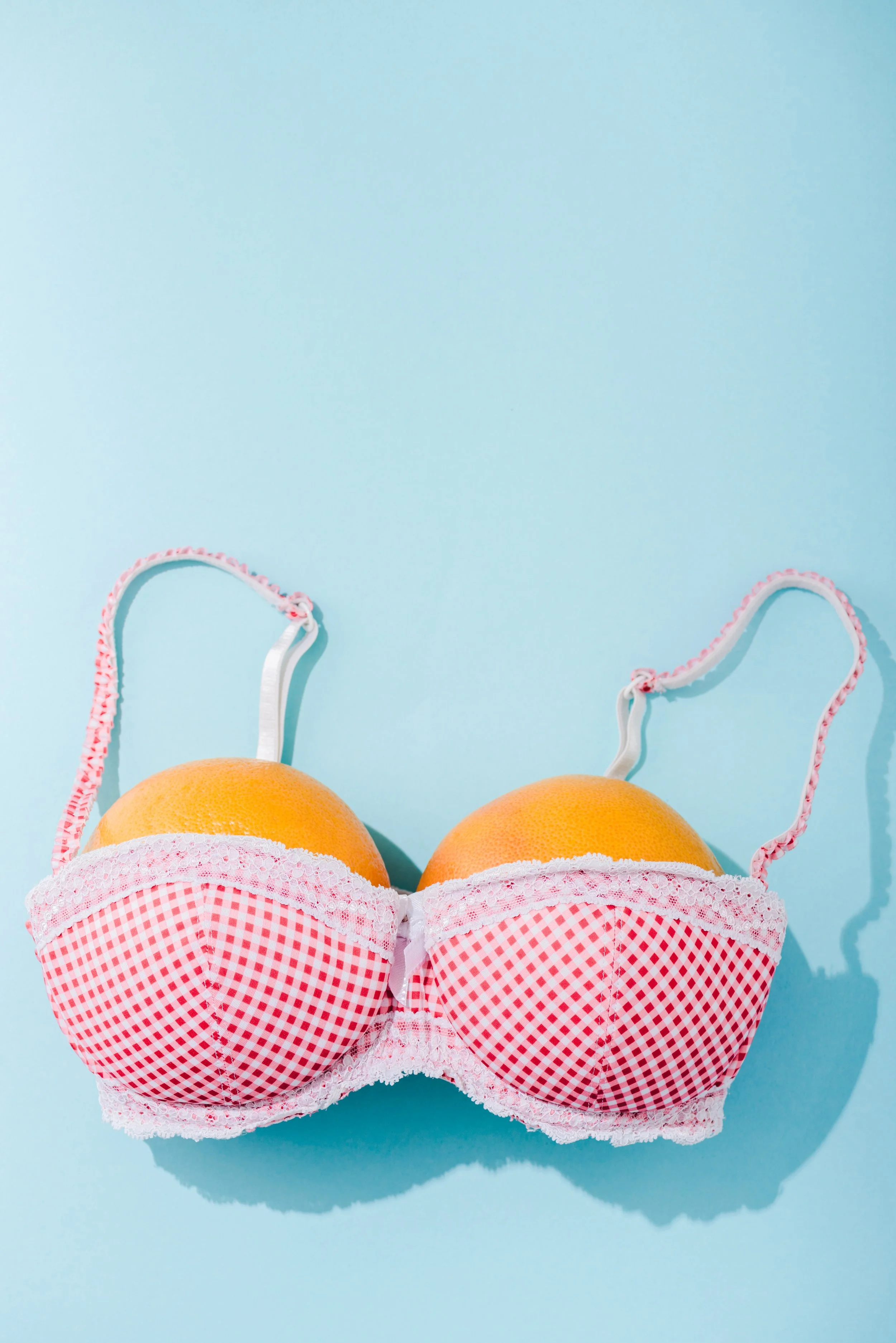
Breast development begins at week 3–4 in utero, and by 6 months gestation the foundation of breasts has been completed in both males and females.
Once puberty hits, men stay the same. For women, each menstrual cycle stimulates ductal growth up until approximately age 35.
Breasts are made up of:
Skin
Fatty tissue
Areola
Nipple
Milk ducts
Lobules (which have alveoli inside that are meant to create milk, push it out to the milk ducts, and go out through the nipple)
Ligaments that are meant to hold the breasts up but eventually lose strength over time
If you have questions about your own breast development, discomfort, or structural changes, scheduling a consultation with our team can provide clarity and individualized guidance.
Breast Types & Variations
There are also four types of breasts (not A, B, C, D) — Type I–IV — and many nipple variations, which can indicate how your breasts have developed over time.
Your type of breast is not critical unless you become pregnant and your breasts have difficulty ramping up milk production.
Changes During Pregnancy
Speaking of pregnancy — if one decides to become pregnant, this is when most changes begin to occur.
Mammogenesis begins with growth of breast structures and cells, along with increased hormones that initiate the generation of milk production.
Breasts not only produce milk, but the small bumps around the nipple produce oils that lubricate the nipple in preparation for feeds and give off a scent that helps a newborn locate their food source.
The areola becomes darker and larger to make it easier for infants to see where they need to latch.
Milk production follows a circadian rhythm, which helps babies begin to tell time. Some say females produce more milk at night because that is when it was safer for our ancestors to feed their young.
Milk also changes to meet infants’ needs depending on the time of day. For instance:
Morning milk carries about three times the amount of cortisol to increase alertness.
Melatonin can be found in evening milk, aiding with sleep and digestion.
If you are pregnant or planning to breastfeed and would like guidance on preparing your body for feeding, you can book a consultation with our team for proactive education and support.
If Pregnancy Isn’t Part of Your Journey
If children aren’t in your deck of cards, that is okay too.
Mammogenesis does not occur, and ductal growth typically peaks in your 30s.
When menopause begins, that brings a whole different set of body changes — perhaps a topic for another resource guide down the road.
Citations
Wambach & Spencer, 2019
Javed & Lteif, 2013
Saxbe & Hahn-Holbrook, 2019