C-Section Scar Mobilization: Why It Matters Years Later
Author: Megan McCarthy
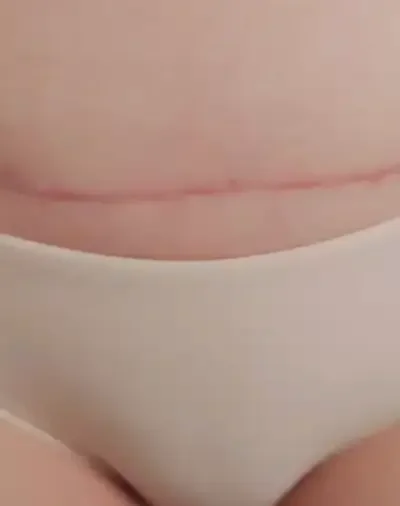
Many women experience a persistent pulling sensation, localized numbness, or hip tightness years after a cesarean section. Chronic lower back pain often stems from these surgical adhesions, even when the connection remains undiagnosed.
The visible scar represents only the surface layer of a complex healing process. Deep tissue changes determine how the body moves and functions long after the initial recovery.
Effective C-section scar treatment requires more than waiting for the incision line to fade. Specialized mobilization addresses the underlying tissue layers to restore comfort and mobility.
What a C-Section Scar Involves
A cesarean delivery requires incisions through distinct layers: skin, fat, connective tissue, muscle, and the linings that wrap the abdominal cavity and uterus.
As the tissue heals, the body lays down collagen fibers to repair the damage. These fibers do not always organize neatly. Instead of forming tissue that moves the way the surrounding layers do, scar tissue can form in dense, irregular patterns. When that happens between layers that are supposed to slide independently of each other, they stick together. Those stuck areas are called adhesions.
The scar you see on the surface represents only one of those seven layers. The adhesions that cause problems are often in the layers underneath.
The Long-Term Effects of Cesarean Scar Adhesions
Cesarean scar adhesions can cause chronic pain, restricted movement, and pelvic symptoms that many women never connect to the scar.
Most individuals are unfamiliar with the secondary side effects that can occur after a cesarean section. The most common ones are the following.
Chronic lower back pain. The connective tissue of the abdominal wall is continuous with the connective tissue of the lower back. When scar adhesions restrict movement in the front of the body, the back compensates. Many women with persistent lower back pain after a C-section have never had anyone assess the scar as a contributing factor.
Hip and movement restrictions. Scar tissue that has adhered through multiple layers can limit how far the tissue stretches during hip extension, squatting, or bending. You might feel it as tightness or a pulling sensation during exercise or everyday movement.
Numbness and altered sensation. The nerves running through the incision site get disrupted during surgery. Without treatment, some women experience permanent numbness, hypersensitivity, or an uncomfortable tingling along the scar. These sensations can improve significantly with targeted therapy.
Pelvic pain and bladder symptoms. Internal adhesions can pull on the bladder, bowel, or surrounding pelvic structures. This can present as pelvic pressure, pain with menstruation, urinary urgency, or a sensation of heaviness. Many women are treated for these symptoms for years without anyone identifying the scar as the source.
The C-Section Shelf. The visible ledge of tissue above the scar line, sometimes called the C-section pooch, is often a sign of adhesion between the skin and the underlying connective tissue, not just excess fat. When the tissue is tethered down rather than lying flat, no amount of diet or exercise will change it. Scar mobilization is what addresses the structural cause.
Most of these secondary effects are a result of scar tissue, which targeted postoperative treatment can address.
How C-Section Scars Heal: The Timeline
Understanding the healing timeline helps explain both why early treatment matters and why it is never too late to start.
Weeks 1 to 6: Initial closure. The wound closes, and the most acute healing happens. The scar is fragile and sensitive. No direct manipulation of the incision is appropriate yet, but gentle touch around the area helps recalibrate the nervous system and reduces hypersensitivity.
Weeks 6 to 6 months: Active remodeling. This is the most important window for treatment. The tissue is still being actively laid down and organized. Scar mobilization during this phase guides the collagen fibers to align more like the surrounding tissue, reducing the likelihood of adhesions forming or worsening. Starting treatment here produces the best results.
6 months to 2 years: Maturation. The scar matures, and remodeling slows down. However, treatment is still very effective.
Beyond 2 years: Chronic scars. Old scars can still respond to treatment. Individuals managing pain or movement restrictions often see improvement..
C-Section Scar Treatment Options
Not all C-section scar treatments work at the same level. Some address the deeper tissue layers where adhesions form. Others improve surface appearance only.
What the Evidence Supports
Scar mobilization. This is the core clinical intervention for C-section scar adhesions. A trained therapist uses precise manual techniques to move the scar tissue through multiple layers and in multiple directions, breaking up adhesions and encouraging the tissue to regain its natural glide. It is not the same as rubbing lotion on the scar at home. The depth, direction, and staging of mobilization are specific to where you are in the healing process and what the tissue is doing. Research supports manual therapy as an effective intervention for reducing stiffness, improving tissue mobility, and decreasing pain in C-section scars.
Myofascial release. Connective tissue wraps around every muscle and organ in the body. When scar adhesions form, they pull on the surrounding connective tissue and restrict movement well beyond the incision site. Myofascial release addresses those broader restrictions, not just the scar itself.
Cupping therapy. Therapeutic cupping uses gentle suction to lift the tissue rather than compress it, creating space between the layers that have adhered. It is particularly effective for the superficial layers of scar tissue and for the C-section shelf. The sensation is decompressive rather than painful.
Instrument-assisted soft tissue mobilization. Specialized tools allow a therapist to work more precisely into areas of dense scar tissue, targeting specific restrictions that hands alone may not reach as effectively.
What Treats Appearance but Not Adhesions
Silicone sheets and scar creams can improve the surface appearance of a scar by hydrating the skin and reducing pigmentation. They do not address adhesions in the deeper tissue layers. Laser therapy and microneedling can improve texture and color at the surface level.
Neither reaches the deeper adhesions that cause functional symptoms. These treatments have their place, but they are not substitutes for manual therapy when the goal is restoring movement and reducing pain.
When to Start C-Section Scar Mobilization Therapy
The timing of treatment is important, and the guidelines are more specific than most women are told.
In the first two to three weeks after surgery, the focus is on gentle touch around the incision, not on the scar itself. Simply running fingers along the skin near the incision helps the nervous system adjust.
Once the incision is fully closed and your physician has cleared you, light mobilization of the tissue surrounding the scar can begin.
The therapist will progress treatment to eventually perform the manual scar technique, mobilizing the scar in multiple directions and at varying depths, and incorporating different techniques to
Beyond twelve weeks, the same techniques apply. For women who did not receive treatment in the early window, starting now is still worthwhile. The tissue is less responsive than it would have been at eight weeks, but it is still responsive.
The single most important thing to know about timing: if you are having symptoms, do not wait. Adhesions that are treated early are easier to resolve than adhesions that have been in place for years.
What C-Section Scar Rehabilitation Includes at Thera
At Thera, C-section scar treatment is part of a specialized post-surgical rehabilitation program, not a general physical therapy service.
Your first session begins with a thorough assessment of the scar tissue across all layers: how the tissue is moving, where the restrictions are, and what symptoms are likely connected to those restrictions. Treatment then targets the specific layers and directions where adhesions are limiting movement.
Sessions include scar mobilization, myofascial release, cupping, and, when appropriate, kinesiotape applications. You will also be taught how to continue mobilization at home between sessions, because consistent daily work on the tissue between appointments is part of what produces lasting results.
Thera's therapists specialize in post-surgical rehabilitation and scar management. This is not a service offered alongside a general orthopedic caseload. It is the focus of the practice, which means the assessment and treatment are specific to the complexity of post-surgical tissue in a way that general physical therapy is not.
Frequently Asked Questions:
-
Gentle touch around the incision can begin in the first few weeks, as long as the incision is fully healed. A trained therapist will guide you on what is appropriate for your stage of healing.
-
Adhesions can cause a range of sensations: a pulling or tugging feeling when you stand, bend, or exercise, numbness or hypersensitivity along the scar line, tightness in the lower abdomen or hips, and, in some cases, pelvic pressure or lower back pain. Some women feel nothing at the scar but have symptoms elsewhere that trace back to it.
-
No. The techniques used are calibrated to what the tissue can tolerate at each stage. Some patients experience mild discomfort when working into areas of dense adhesion, which is normal and temporary. Your therapist will always work within your tolerance and adjust based on how the tissue responds.
-
No. New York State Direct Access allows you to begin physical or occupational therapy without a physician's referral for your first 10 visits or 30 days, whichever comes first. If you have a physician involved in your postpartum or ongoing care, your Thera therapist will coordinate with them and provide progress updates.
Your Scar Is Not Just a Mark
The symptoms many women attribute to postpartum recovery, core weakness, or just how their body is now are often directly connected to how the C-section scar healed. Treatment does not erase the scar. But it can change how it functions, how it feels, and what it allows your body to do.
Thera's therapists specialize in post-surgical rehab and scar management, and see patients at their Midtown Manhattan clinic, serving the Tri-State Area. No referral needed. New York State Direct Access allows you to book directly for your first 10 visits.