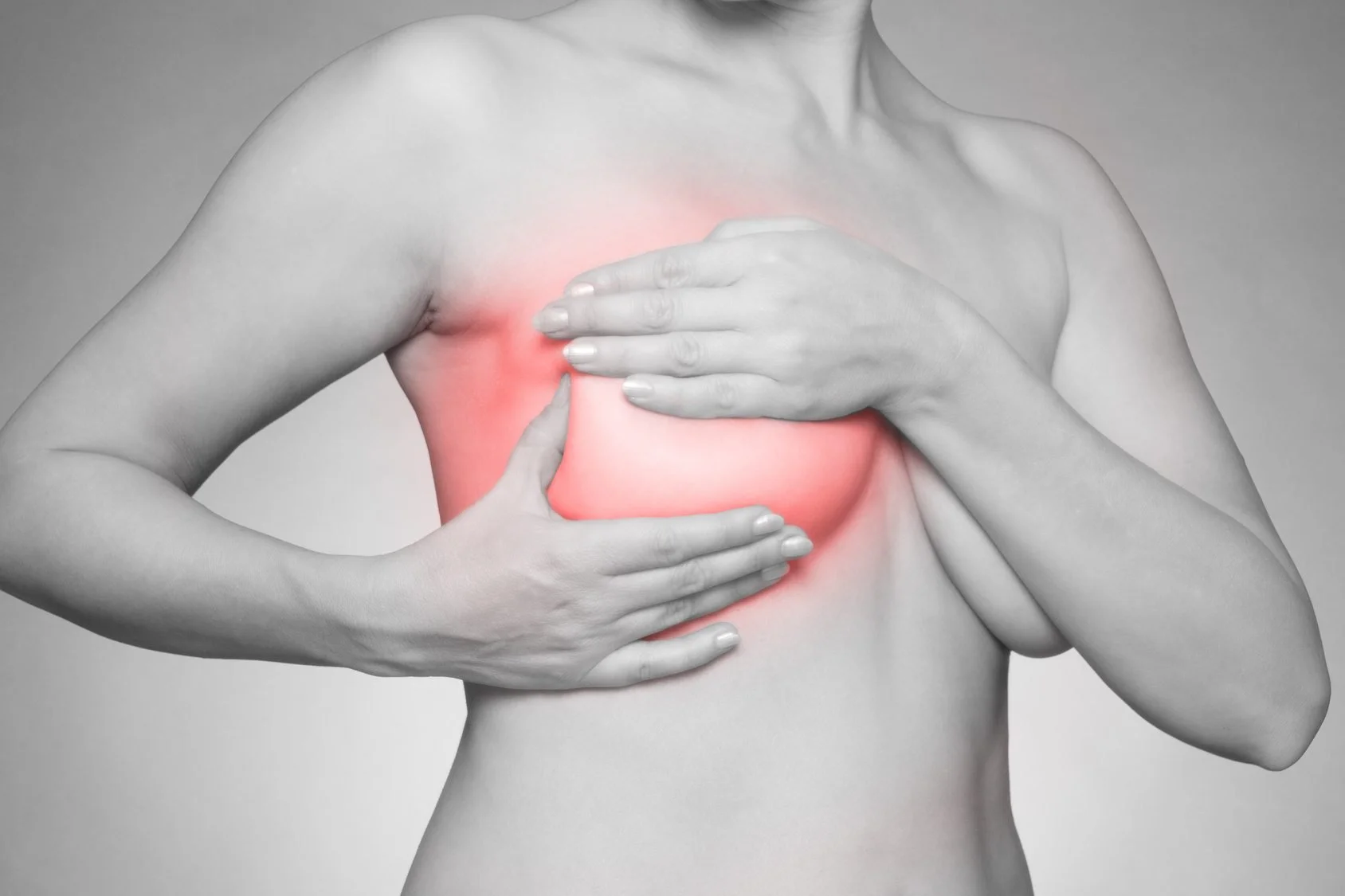
Finally, a Verdict on Heat vs. Ice for Mastitis: What Actually Helps?
Mastitis hurts. If you’ve experienced it, you know how fast it can shift from uncomfortable to completely overwhelming, often within hours. One of the most common questions our clients ask us is:
“Should I use heat or ice?”
For years, the answer was unclear — and the advice was inconsistent. Warm compresses were a standard recommendation. Others were told to ice. Many mothers tried both, often without real guidance on timing or purpose. The confusion was understandable.
But there is now a clearer direction, backed by updated clinical research.
Updated Recommendation for Mastitis: Ice Is Now the Standard
Updated guidelines from the Academy of Breastfeeding Medicine (ABM) have significantly shifted our understanding of mastitis. What was previously called a “plugged duct” is now more accurately described as “ductal narrowing” caused by inflammation, not a physical milk blockage. That distinction matters enormously for how we treat it.
Because most cases of mastitis stem from inflammation rather than true infection, conservative measures, including ice application and anti-inflammatories, are often sufficient as first-line treatment.
The updated ABM protocol recommends cold compresses over heat, because cold reduces blood flow and swelling, while heat does the opposite, it increases inflammation.
Think of it like a sprained ankle. If you sprained your ankle — hot, swollen, and painful — you wouldn’t apply heat and vigorously massage it. You’d rest it, apply ice, and take an anti-inflammatory. The inflamed breast should be treated the same way.
How to Use Ice for Mastitis
Cold therapy is most effective when timed well:
After breastfeeding or pumping, to calm the inflamed tissue once the feeding is done
Between feedings to manage swelling and pain throughout the day
10–15 minutes at a time and always with a thin cloth between the ice and skin to protect the tissue
Cold compresses, soft ice packs, or chilled cabbage leaves can all provide relief. While cabbage leaves are no more effective than ice, their cooling effect may still offer some therapeutic benefit — so if they’re what you have on hand, they’re a reasonable option.
Important: Avoid applying ice immediately before nursing. Cold can temporarily constrict milk ducts and make let-down more difficult, which is the opposite of what you need during feeding.
Does Heat Still Have a Role?
Yes, but strategically, and only within a specific window.
Heat is not a treatment for inflammation. Used at the wrong time, it can make mastitis worse. Frequent overfeeding, excessive pumping to empty the breast, heat application, and aggressive breast massage are no longer recommended because they may worsen the condition.
That said, a brief application of warmth before feeding can still support milk flow when used carefully:
Before nursing or pumping for 5 to 10 minutes only
To help stimulate let-down, especially if the breast feels tight or engorged
To gently soften the breast before feeding begins
Avoid prolonged or repeated heat throughout the day, particularly if you have visible redness, swelling, or fever.
A Practical Temperature Guide
Used correctly, both temperature therapies can support healing. Used incorrectly, they can prolong it.
Why Getting the Right Approach Matters
The wrong approach at the wrong time isn’t just unhelpful; it can actively set back recovery. Excessive heat can worsen the underlying inflammation, and over-pumping can signal your body to produce more milk, feeding the cycle of congestion and swelling.
With swift intervention and the right treatment approach, symptoms should improve dramatically within 24 to 72 hours. If you’re not seeing improvement in that timeframe, or if symptoms are worsening, it’s important to seek medical evaluation. If there’s no response to supportive measures within 24 hours, antibiotics may be necessary if an infection develops.
Mastitis Recovery Is More Than Temperature Therapy
Ice and heat are important tools, but they’re one piece of a broader recovery picture. Comprehensive mastitis care may also include:
Manual therapy for clogged ducts - gentle, targeted techniques to safely clear blockages and restore milk flow without aggressive pressure
Optimising nursing or pumping positions - to ensure effective, comfortable milk removal
Anti-inflammatory support - ibuprofen can be helpful, but check with your provider (see Cleveland Clinic's Mastitis Guide)
Rest and hydration - your body is doing significant healing work and needs both
Referral to a lactation consultant - especially for recurring symptoms or challenges with latch, positioning, or milk supply
At Thera Rehab, our specialists provide manual therapy for mastitis and clogged ducts, alongside education and preventive strategies to help reduce recurrence so you can feel better faster while protecting your breastfeeding goals.
When to Seek Medical Care For Mastitis
Mastitis can progress if left untreated or treated incorrectly. If symptoms suggest bacterial mastitis, such as a wedge of redness, a painful lump, or a fever, a medical evaluation and potentially antibiotics are important next steps. Don’t wait to see if it resolves on its own if symptoms are intensifying.
The Bottom Line
Ice is now considered the primary approach for mastitis-related inflammation and pain, a meaningful shift from what many mothers were told even a few years ago. Heat still has a role, but it’s narrow: brief, targeted, and used only before feeding to support milk flow.
When used together correctly, they’re an effective part of recovery. When used thoughtlessly, they can make things worse.
You don’t have to figure this out alone.
Need Support for Mastitis Relief?
At Thera Rehab, we specialize in mastitis therapy and clogged duct relief. We provide hands-on care, therapeutic massage, specialized manual therapy for mastitis, and personalized recovery plans designed to help you heal safely and effectively.
Book a session or reach out with questions
Your body is already doing demanding work. Let us help support the recovery process.